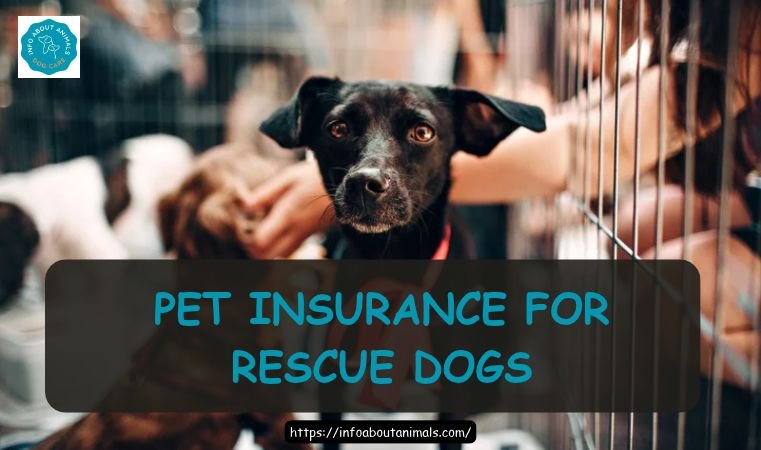
Plan pet insurance for rescue dogs as soon as possible after bringing your dog home. Many of the medical histories of adopted dogs are unknown (estimated age, etc.) when they come into our lives. Also, many problems will be discovered in the first few weeks after adoption.
Pet insurance can help prevent costly veterinary bills. However, there are additional aspects that need to be considered by those who have adopted pets.
Why Rescue Dogs Need Insurance
Adopted dogs are not less healthy than other dogs, but they carry more unknowns:
- Unknown medical history. Past injuries, infections or illnesses may not be recorded.
- Unknown parents. Inherited conditions are hard to predict in mixed or unknown breeds.
- Estimated age. Shelters often guess a dog’s age from its teeth and body condition.
- Stress-related illness. Kennel cough, diarrhea and skin problems are common in the first weeks.
- Behavior-related accidents. Some rescue dogs are fearful or escape-prone, increasing injury risk early on.
A good policy allows you to be prepared for things that may happen as you learn about your new pet.
How Much Does Rescue Dog Insurance Cost?
The cost of premiums is determined by the same criteria that apply to all dogs; specifically the dog’s mix of breed (or mix) and its age, size, where it lives and what type of coverage you’ve selected. A number of rescue dogs have been identified as being crossbreeds. As a result of this many will be eligible for lower premiums than purebreds.
| Dog type | Typical monthly premium (young adult) |
|---|---|
| Small mixed breed | $25 to $45 |
| Medium mixed breed | $30 to $55 |
| Large mixed breed | $40 to $70 |
| Senior rescue (8+ years) | $60 to $150+ |
Some pet insurance providers have discounted premiums for owners of adopted animals as well as partnered with local animal shelters to provide an insured, no cost trial period.
How Shelter Records Affect Your Cover
Insurers decide what is pre-existing by reviewing medical records. For a rescue dog, most likely those will include shelter or foster records. If you have anything listed on either of these (e.g., kennel cough, a limp, skin infections, a heart murmur), they could be considered a pre-existing condition when it comes to insurance. To protect yourself:
- Ask the shelter for full medical records at adoption.
- Book a full vet exam within the first week, ideally before your insurance waiting period ends.
- Buy insurance as soon as possible, even on adoption day.
- Keep copies of everything, including vaccine records and microchip details.
Shelter Trial Insurance: Use It Wisely
Many shelters offer free insurance for the first few weeks after adoption. This can be helpful, but it is often short-term with low limits. Read the terms and decide on a long-term policy before the trial ends. If you switch to a different insurer later, conditions that appeared during the trial may become pre-existing.
Common Health Issues in Newly Adopted Dogs
- Kennel cough and respiratory infections
- Intestinal parasites and diarrhea
- Skin infections and mange
- Dental disease, especially in older rescues
- Ear infections
- Heartworm disease in dogs from areas where it is common
- Injuries from stress-related escapes
Most of them have remedies. However heart worm treatment could be as much as $1,000 to $2,500 and sometimes even more; and like wise many older rescue dogs can have costly dental surgeries.
Senior Rescue Dogs
Adopting an older dog is a kind choice, but insurance is more limited. Premiums are higher, and existing conditions such as arthritis or dental disease will be excluded. Accident-only cover or a dedicated savings fund may be more practical. See our guide to pet insurance for older dogs for options.
What to Look for in a Policy
- Accident and illness cover with hereditary conditions included
- Short waiting periods for illnesses
- A curable condition rule, so treated infections can be covered again after a symptom-free period
- Behavioral therapy cover, which some plans include for anxiety and fear issues
- Exam fees included, since new adopters often visit the vet several times early on
Settling In: Reducing Health Risks
The initial few weeks of being at a new location may be particularly stressful and lead to health issues for some of these rescued animals. You can also help to lower the risk factor for your dog by:
- Keeping your new dog on a leash or in a secure yard until it settles
- Making sure the microchip is registered to you
- Feeding the same diet the shelter used at first, then switching slowly
- Avoiding dog parks until vaccinations are complete and your dog is confident
- Watching appetite, stool and energy levels closely
Behavioral Issues and Insurance
Many dogs have some level of fear, anxiety, or reactivity when they arrive at shelters, but most will get better over time with patience and proper training. A growing number of insurance companies are offering coverage to consult with either a veterinarian (vet) or veterinary behaviorist about addressing your pet’s behaviors. The best part is many times this type of consultation will result in a prescription for an anti-anxiety medication. In the early days of adopting a new pet, the cost of these types of consultations can be very helpful.
While there is often a limit on how much you’ll be reimbursed through your policy for behavioral issues, most policies won’t cover costs associated with obedience training by general trainers unless that trainer is a licensed veterinarian. Also, many policies will not cover pre-existing conditions; therefore, if your pet already exhibits aggression based upon information contained within their shelter records, you likely won’t be able to receive reimbursement from your policy. Be sure to read all terms and conditions carefully prior to enrolling in coverage for your new pet.
Budgeting for the First Year
By the end of that first year with a rescue dog, your expenses will probably be higher than they will be in later years. You should plan for:
| Item | Typical first-year cost |
|---|---|
| Adoption fee | $50 to $500 |
| Vet exams and vaccines | $150 to $400 |
| Parasite prevention | $150 to $450 |
| Insurance premiums | $300 to $800 |
| Food, bed, crate, leash and toys | $400 to $1,000 |
| Training classes | $100 to $400 |
Having insurance in place makes the unexpected part of this budget, such as an infection or injury, easier to manage.
Frequently Asked Questions
Can you get pet insurance for a rescue dog?
Yes. Just like all other dogs, rescue dogs can also get insurance. Many times, mixed breed dogs are going to cost less to insure than purebred dogs.
Does pet insurance cover conditions in shelter records?
Usually not. Conditions recorded by the shelter or foster vet before your policy started are generally treated as pre-existing.
What if my rescue dog’s age is unknown?
Use the age estimate from your shelter or veterinary clinic.
Age estimates are acceptable to insurance companies; If you need further refinement of the age estimate, ask your veterinarian.
Is shelter trial insurance enough?
It is a good start but it is short term with limited cover. Choose a long term insurance policy before you finish trial.
Are mixed-breed rescue dogs cheaper to insure?
Generally, yes. Typically, mixed breed dogs will be less expensive as premiums than many purebred dogs, particularly those high-risk purebreds.
Written and medically reviewed by Dr. Muhammad Usman, DVM, RVMP, a licensed veterinarian in Pakistan and Qatar. This article is for general education and is not a substitute for an exam by your own vet.