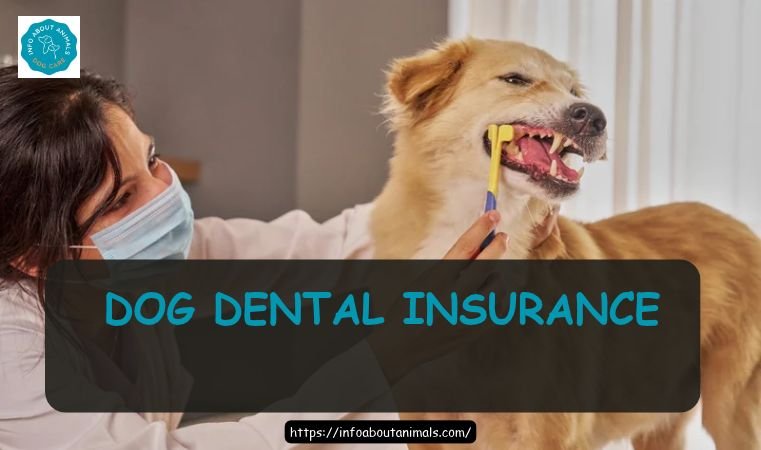
Pet owners often do not consider dog dental insurance until they have received an unexpected dental extraction invoice. However, dental disease is the number one health issue in adult dogs. A single dental procedure done under general anesthesia can cost $500 to $2,000 or more. Understanding what your insurance covers and what it does not help you prepare for future veterinary expenses.
The purpose of this article is to explain how pet insurance covers dental issues, typical costs for veterinary care related to pets’ teeth, differentiating between dental emergencies and chronic dental problems, and how to find the right coverage.
Why Dental Care Is So Expensive for Dogs
Dogs need general anesthesia for a proper dental cleaning and for any extractions. A complete dental procedure usually includes:
- A pre-anesthetic exam and blood tests
- Anesthesia and monitoring
- Dental X-rays to check roots below the gum line
- Scaling and polishing
- Extraction of damaged or infected teeth
- Pain relief and antibiotics if needed
Because of the cost of each additional procedure, many dental treatments may exceed four digits.
| Dental procedure | Typical US cost |
|---|---|
| Routine cleaning with no extractions | $300 to $800 |
| Cleaning with a few extractions | $800 to $1,500 |
| Complex extractions or oral surgery | $1,500 to $3,000+ |
| Fractured tooth root canal (specialist) | $1,500 to $3,000 |
You can learn more in our guide to dog dental extraction cost.
How Dental Cover Works in Pet Insurance
Pet insurance plans usually divide dental care into three types.
Dental accidents
In addition to broken teeth due to accidents (such as chewing something too hard) and/or falls, most accident-and-illness insurance policies and most accident-only insurance policies will also provide coverage for dental injuries resulting from an accident.
Dental illness
In general, this would include periodontitis, gum infection, tooth root abscesses and resorptive lesion. Comprehensive plans can either cover all forms of dental diseases, or they may completely deny coverage, or at least restrict it. The differences in these types of policies are generally the biggest factor when choosing between them.
Routine dental care
A scheduled cleaning is generally considered preventive. As such, it will typically not be reimbursed through your standard health plan. Only your wellness rider (if you have one) will likely cover this type of cleaning, and then at a flat fee per year.
What to Look For in a Plan
Periodontal disease cover
Check whether your policy includes coverage of periodontal disease or dental extractions due to a disease rather than an accident. In addition some of these plans may include a requirement for you to have a regular (annual) dental checkup in order for your claims for extractions due to a disease to be covered.
Annual dental exam requirement
Some insurers will only pay for dental illness if your dog has had a dental check-up every 12 months. Missing one can lead to a denied claim.
Exclusion of pre-existing dental disease
Dental illness is likely to be excluded if your dog has evidence of gum disease, tartar buildup, loose teeth before enrollment. Enroll your dog young, before signs appear.
Wellness add-on value
Compare the annual cost of the wellness add-on with the amount it pays toward cleanings. Sometimes the add-on costs nearly as much as it returns.
Breeds Most Prone to Dental Problems
Small and flat-faced breeds often have crowded teeth and more dental disease. These include:
- Chihuahuas
- Yorkshire terriers
- Toy poodles
- Dachshunds
- Pomeranians
- Shih tzus and Lhasa apsos
- French bulldogs and pugs
If you own one of these breeds, dental illness cover is especially valuable. Our Lhasa apso lifespan guide also covers how dental health affects small dogs as they age.
Is Dog Dental Insurance Worth It?
It can be, especially for small breeds. A policy that covers dental illness could pay for extractions that would otherwise cost $1,000 or more. However, if your plan only covers dental accidents, it will not help with the most common problem, which is periodontal disease.
Routine cleaning is usually best handled either through budgeting yourself or by having a wellness plan from a clinic rather than purchasing an additional dental insurance rider.
How to Prevent Dental Disease
Insurance helps with bills, but prevention keeps your dog comfortable.
- Brush your dog’s teeth daily with a dog-safe toothpaste.
- Use dental chews or diets approved for plaque control.
- Book yearly dental checks with your vet.
- Avoid very hard chews such as antlers or bones that can fracture teeth.
- Watch for warning signs, including bad breath, red gums, drooling, pawing at the mouth and dropping food.
Signs Your Dog May Need Dental Treatment
Dental disease can develop over time. Dogs have the ability to mask pain, which makes detecting dental disease difficult. If your dog has experienced any of the signs listed below, schedule an appointment with your veterinarian as soon as possible.
- Persistent bad breath
- Yellow or brown buildup on the teeth
- Red, swollen or bleeding gums
- Chewing on one side or dropping food
- Pawing at the face or rubbing the muzzle on the floor
- Swelling below the eye, which can mean a tooth root abscess
- Loose, broken or discolored teeth
Treating tooth infections as soon as they are visible is much less expensive. Cleaning your dogs teeth when you see the beginning of tartar will cost significantly less money than removing them many years down the road. It also saves your dog days if not weeks of silent suffering. Annual dental exams required by insurance can also help maintain your dental coverage.
Frequently Asked Questions
Does pet insurance cover dog teeth cleaning?
Usually not under the main policy. Routine cleanings are typically covered only by optional wellness add-ons, which pay a fixed amount per year.
Does pet insurance cover tooth extractions?
Many accident-and-illness plans cover extractions caused by injury or by covered dental disease. Extractions due to pre-existing dental disease are usually excluded.
Is there separate dental insurance for dogs?
In the U.S., as a general rule, dental coverage is either part of an overall pet insurance policy or an individual wellness plan and typically there is no such thing as a “dental” product available by itself.
Why does my insurer want annual dental exams?
Some insurers require yearly dental checks to ensure dental disease is found early. Without them, dental illness claims may be denied.
How much does a dog dental cleaning cost without insurance?
A routine cleaning without extractions usually costs about $300 to $800 in the US. Extractions and X-rays increase the cost.
Written and medically reviewed by Dr. Muhammad Usman, DVM, RVMP, a licensed veterinarian in Pakistan and Qatar. This article is for general education and is not a substitute for an exam by your own vet.