Cherry eye in French bulldogs is one of the most common reasons young Frenchies visit the vet. One day the eye looks normal, and the next there is a red, swollen lump in the inner corner. It looks alarming, but it is very treatable. Early treatment helps protect your dog’s tear production and long-term eye health.
This guide explains what cherry eye is, why French bulldogs are prone to it, how it is treated, typical surgery costs and what to expect during recovery.
What Is Cherry Eye?
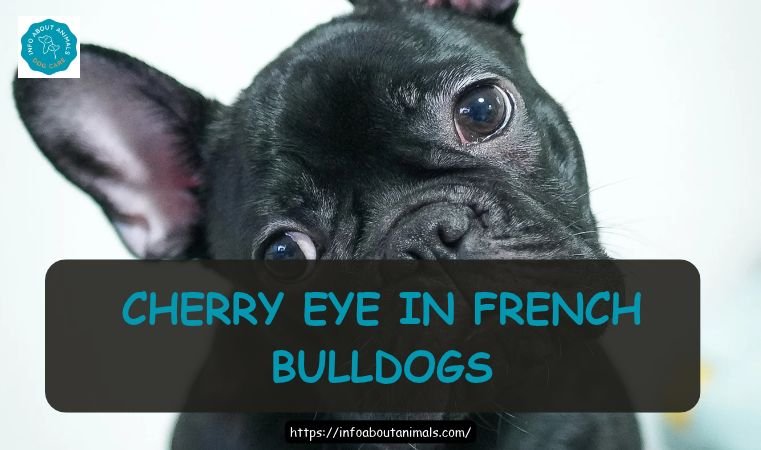
Dogs have a small third eyelid on the inside corner of their eyes. A tear gland located within this third eyelid produces the majority of an eye’s tear film. Cherry eye happens when this gland pops out of its normal position. The medical term for this condition is the prolapse of the gland of the third eyelid.
Why Are French Bulldogs Prone to Cherry Eye?
The reason for this is still somewhat unknown. However, it is believed that some breeds have a weak connective tissue which allows the gland to be displaced. Among these breeds include French Bulldogs, English Bulldogs, Boston Terriers, Cocker Spaniels, Beagles, Shih Tzus and many others. In addition to their tendency toward displacement due to the shape of their skull and facial structure (due to being brachycephalic), their large eyes also add to the problem.
Cherry Eye tends to occur at an early age, typically by the time the dog reaches 2 years old. When one eye has been affected with Cherry Eye, it is common for the second eye to become involved as well.
Signs of Cherry Eye
- A red, round swelling in the inner corner of the eye
- Watery or mucous discharge
- Rubbing or pawing at the eye
- Redness of the eye
- In some cases, mild squinting
Early stages of cherry eye are rarely painful; however, the visible gland may develop into swelling, irritation or simply drying out.
Treatment Options
Massage and medication
The veterinarian sometimes will attempt to use a gentle massage of the affected area to coax the gland back into its normal position, and apply an anti-inflammatory eye drop; however, this usually is successful only in the very early stages, as it is quite common for the gland to pop back out.
Surgical repositioning (preferred)
The standard treatment is surgery to reposition the gland and anchor it in place. Common techniques include the pocket technique, where a small pocket is created to tuck the gland into, and anchoring methods. These techniques keep the gland working and protect tear production.
Gland removal (not recommended)
The gland used to be removed frequently; this is no longer recommended as it causes a life long condition called keratoconjunctivitis sicca or dry eye, which requires medication every day.
Cherry Eye Surgery Cost for French Bulldogs
In the US, typical costs are:
| Treatment | Typical cost |
|---|---|
| Vet exam and initial medication | $75 to $200 |
| Surgery for one eye at a general practice | $500 to $1,200 |
| Surgery for both eyes at a general practice | $800 to $2,000 |
| Surgery at a veterinary ophthalmologist | $1,000 to $2,500 per eye |
| Repeat surgery if the gland prolapses again | Similar to the first surgery |
The price usually includes anesthesia, surgery and medications. Pre-anesthetic blood tests may cost extra. Because French bulldogs need careful anesthesia, ask about airway management and monitoring.
Recovery After Cherry Eye Surgery
A typical case of Frenchie recovery is fast. Aftercare will include:
- A cone collar for 10 to 14 days to prevent rubbing
- Antibiotic and anti-inflammatory eye drops or ointment
- Mild swelling for a few days
- A recheck visit in about two weeks
Good success has been reported with most repositioning techniques; however, some dogs need a second procedure because their gland slipped out of position once again.
Can Cherry Eye Be Prevented?
There are currently no methods to reliably prevent cherry eye, because genetic factors (and possibly anatomical) cause the condition. The likelihood of your dog developing this problem could be lower if you choose a pup whose parents have never had problems with cherry eye. Early treatment can help minimize potential complications.
Is Cherry Eye an Emergency?
Cherry eye is not usually an emergency, but you should see your vet within a few days. Leaving the gland exposed for a long time increases swelling and the chance that it will not return to normal. If your dog’s eye is very painful, cloudy or squinting, seek care quickly, as this may be a corneal ulcer instead.
French bulldogs have several eye risks, so it is worth reading our guide to French bulldog health problems.
Cherry Eye French Bulldog Cost by Treatment Path
Owners often ask whether waiting or trying massage saves money. In practice, many dogs end up needing surgery anyway. Here is how the total can add up:
| Path | Likely total cost |
|---|---|
| Massage and drops that work long-term | $75 to $200 |
| Massage and drops, then surgery when it recurs | $600 to $1,400 per eye |
| Early surgery on one eye | $500 to $1,200 |
| Surgery on both eyes at once | $800 to $2,000 |
| Repeat surgery after failure | Adds $500 to $1,200 |
There are advantages when you have to treat both eyes of your French Bulldog for cherry eye. If they both are treated at once under general anesthesia (one anesthetic is safer for this breed than two) then the overall cost will be less than if each were done separately, as well as fewer general anesthetics for your dog.
Anesthesia Safety for Frenchies
Because of their airway, French bulldogs need extra care during anesthesia. Good clinics will:
- Run pre-anesthetic blood tests
- Pre-oxygenate before induction
- Keep the breathing tube in until the dog is fully awake
- Monitor closely during recovery
- Keep the dog cool and calm afterward
Ask your vet how they manage brachycephalic patients before booking surgery. You can also read about French bulldog breathing problems.
Frequently Asked Questions
How much does cherry eye surgery cost for a French bulldog?
In the United States, an average cost of surgery can be anywhere from $500 to $1200 per eye at a general practice, and more with a veterinary ophthalmologist.
Can cherry eye go away on its own?
Although rare some of the early cases may be treated using massage therapy or medication, most will require surgery to relocate the gland.
Should the gland be removed?
No. Removing the gland raises the risk of dry eye, which needs lifelong treatment. Repositioning is the preferred method.
Will my Frenchie’s other eye get cherry eye too?
It is common for the second eye to be affected, often within months of the first.
Does pet insurance cover cherry eye?
Many accident-and-illness plans cover cherry eye if it appeared after enrollment and the waiting period. Some exclude the second eye if the first was affected before cover began.
Written and medically reviewed by Dr. Muhammad Usman, DVM, RVMP, a licensed veterinarian in Pakistan and Qatar. This article is for general education and is not a substitute for an exam by your own vet.