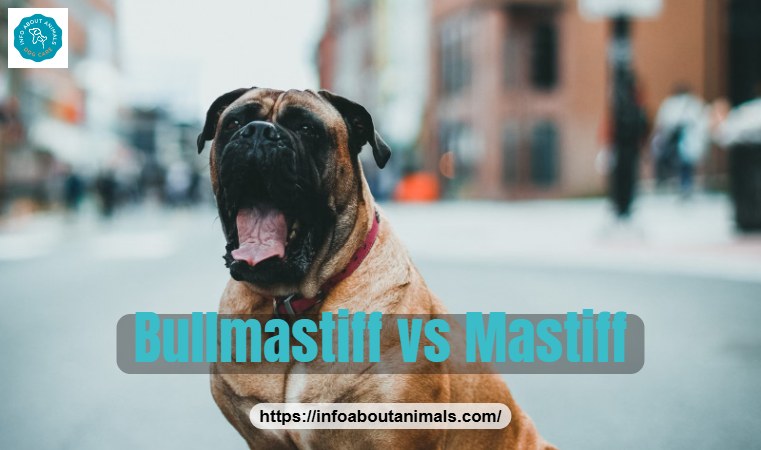
Bullmastiff vs Mastiff – at first sight it’s hard to tell them apart. Both are huge, both have short coats in fawn or brindle with a dark mask, and both have that heavy, wrinkled head. But they’re two separate breeds with different origins, different builds and noticeably different personalities. If you’re choosing between them, the differences matter far more than the resemblance.
Quick answer: the Mastiff is bigger (often 70–100+ kg), older as a breed and more laid-back. The Bullmastiff is smaller (around 45–59 kg), more compact and athletic, more alert and a bit more stubborn. Both are loyal, protective family guardians with similar health risks and short lifespans.
Bullmastiff vs Mastiff: Side-by-Side Comparison
| Feature | Bullmastiff | Mastiff (English Mastiff) |
|---|---|---|
| Origin | England, mid-to-late 1800s | England, ancient type; standardised 1800s |
| Original job | Gamekeeper’s dog, stopping poachers at night | Estate and family guardian |
| Height (male) | 25–27 in (64–69 cm) | 30 in (76 cm) minimum |
| Height (female) | 24–26 in (61–66 cm) | 27.5 in (70 cm) minimum |
| Weight (male) | 110–130 lb (50–59 kg) | 160–230 lb (73–104 kg) |
| Weight (female) | 100–120 lb (45–54 kg) | 120–170 lb (54–77 kg) |
| Colours | Fawn, red, brindle | Fawn, apricot, brindle |
| Energy | Moderate, bursts of activity | Low to moderate |
| Temperament | Alert, confident, independent | Calm, gentle, dignified |
| Lifespan | 7–10 years | 6–10 years |
| Shedding | Moderate | Moderate to heavy |
| Drool | Moderate to heavy | Heavy |
History: Where Each Breed Came From
The Mastiff
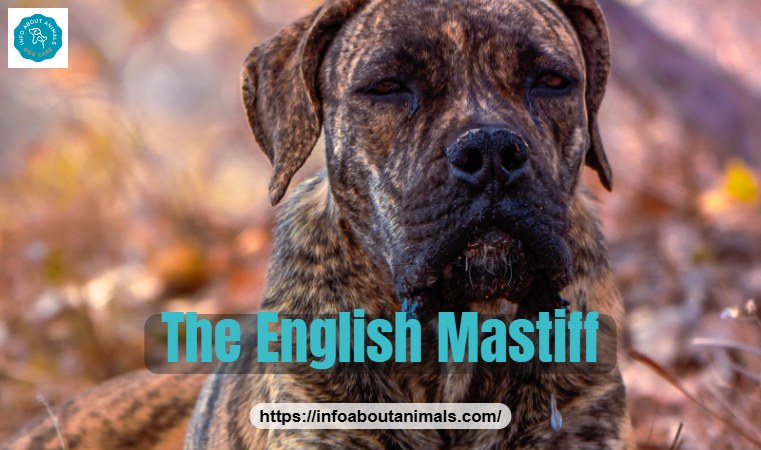
The Mastiff has been around far longer. Big guarding dogs of this type lived in Britain for centuries, protecting homes and estates. The modern Mastiff was formalised as a breed in the 19th century from these old guardian dogs. Today it’s one of the heaviest dog breeds in the world.
The Bullmastiff

The Bullmastiff came much later. In the second half of the 1800s, English gamekeepers needed a dog that could track down and hold poachers on large estates at night – without mauling them. They crossed Mastiffs with the old-style Bulldog, roughly 60% Mastiff to 40% Bulldog, to get the right balance of power, speed and agility. That’s where the old nickname “the gamekeeper’s night dog” comes from. The breed was recognised by the Kennel Club in 1924 and by the AKC in 1933.
Bullmastiff vs Mastiff: Size and Appearance
Size is the most obvious difference. A male Mastiff stands at least 30 inches (76 cm) at the shoulder and often weighs 70 kg to well over 100 kg. A male Bullmastiff usually stands 25–27 inches (64–69 cm) and weighs around 50–59 kg. So a big Mastiff can weigh almost twice as much as a Bullmastiff.
The shape is different too. The Bullmastiff is more compact and square, with a shorter muzzle and more defined muscle – it looks built for action. The Mastiff is longer in the body, heavier boned and more massive overall, with a broader head. If you see the two side by side, the Mastiff looks like a gentle tank and the Bullmastiff like a heavyweight athlete.
Bullmastiff vs Mastiff Temperament
This is where many owners notice the biggest day-to-day difference. Both breeds are loyal, generally quiet in the house and protective of their family. The Mastiff is usually the more relaxed of the two – a patient, gentle giant that’s happy to spend much of the day lying down. The Bullmastiff tends to be more alert, a little more active in short bursts and more stubborn. It was bred to make its own decisions when facing an intruder, and you’ll see that independent streak in training. Some Bullmastiffs are also less tolerant of other dogs, particularly those of the same sex.
Health and Lifespan
Both breeds have shorter-than-average lifespans: Bullmastiffs typically live 7–10 years and Mastiffs 6–10 years. They share many of the same health risks, including hip and elbow dysplasia, bloat (GDV), heart disease, eye problems such as entropion, and certain cancers. Bullmastiffs are known for a higher rate of lymphoma, while Mastiffs are also prone to cystinuria (a bladder stone disorder) and a heart condition called dilated cardiomyopathy. For details, read our Bullmastiff lifespan guide.
Grooming, Shedding and Drool
Both have short coats that need only weekly brushing, with heavier shedding in spring and autumn. The Mastiff’s bigger body means more hair overall. Both drool, but Mastiffs, with their looser lips, are usually the bigger droolers. See do Bullmastiffs shed a lot? for a full grooming routine.
Exercise and Living Space
Neither breed needs marathon walks. Adult Bullmastiffs do well with 30–60 minutes of walking and play a day; Mastiffs often need a bit less. Both should avoid hard exercise while growing and in hot weather. They can live in apartments if they get daily walks, but a ground-floor home with a garden is easier, especially as they age and stairs become hard. In hot climates, both breeds need air conditioning and walks only in the cooler parts of the day.
Cost of Owning a Bullmastiff vs Mastiff
Everything costs more with a giant dog: food, beds, crates, medicines (dosed by weight) and surgery. Because the Mastiff is so much heavier, expect its food and medication bills to be noticeably higher than a Bullmastiff’s. Pet insurance is worth considering for both, as joint surgery or bloat treatment can be very expensive.
Training a Bullmastiff vs a Mastiff
Both breeds are intelligent but not eager to please in the way a Labrador or Border Collie is. They respond best to calm, consistent, reward-based training – food rewards work well – and short sessions. Harsh methods tend to backfire with both breeds, making them shut down or dig in their heels.
The Bullmastiff’s independent guarding instinct means it will think for itself, so start obedience and lead training as early as possible. A Bullmastiff that pulls on the lead at 55 kg is hard to manage. The Mastiff is generally more biddable but can be slow to respond and very hard to move if it decides to lie down mid-walk. Teach both breeds a solid “leave it”, “wait” and loose-lead walking while they’re still small enough to handle.
With Children and Other Pets
Well-raised Mastiffs and Bullmastiffs are often gentle with their own children, but their size alone is a risk: a happy tail or a playful bump can knock a toddler over. Always supervise young children with giant dogs. Mastiffs are usually more tolerant of other pets. Bullmastiffs can live happily with other animals they’re raised with, but may challenge unfamiliar dogs, especially same-sex dogs. Introductions should be slow and on neutral ground.
Puppies: What to Expect
Both breeds grow fast and finish maturing late – often around 2–3 years for the Mastiff and 18–24 months for the Bullmastiff. Feed a large- or giant-breed puppy food, avoid letting puppies get chubby, and limit stairs, jumping and forced running to protect developing joints. Buy only from breeders who health-test the parents for hips, elbows, heart and eyes, and who let you meet the mother.
Which Breed Is Right for You?
| Choose a Bullmastiff if… | Choose a Mastiff if… |
|---|---|
| You want a slightly smaller, more athletic dog | You want the calmest, most laid-back giant |
| You enjoy moderate daily activity | You prefer a true couch companion |
| You have experience with confident, independent dogs | You can handle a dog that may outweigh you |
| You have less space or a smaller car | You have space, a big car and a big budget |
In the Bullmastiff vs Mastiff decision, there’s no wrong answer – only the right match for your home. Whichever you choose, start training and socialisation early. A well-mannered giant is a joy; an untrained one is a real problem.
Frequently Asked Questions
The Mastiff is an older, bigger breed (often 70–100+ kg) bred as an estate guardian. The Bullmastiff is a Mastiff–Bulldog cross developed in the 1800s to catch poachers. It is smaller (about 45–59 kg), more compact, more alert and more independent.
The Mastiff is much bigger. Male Mastiffs stand at least 30 inches tall and can weigh over 100 kg, while male Bullmastiffs stand 25–27 inches and weigh about 50–59 kg.
Yes. The Bullmastiff was created by crossing the Mastiff with the old English Bulldog, roughly 60% Mastiff and 40% Bulldog.
Both can be excellent family dogs when well socialised. Mastiffs are usually calmer and more tolerant, while Bullmastiffs are more alert and may suit experienced owners better.
They are similar. Bullmastiffs typically live 7–10 years and Mastiffs 6–10 years.
Neither breed should be aggressive, but Bullmastiffs tend to be more alert, territorial and less tolerant of strange dogs. Early training and socialisation are essential for both.
References
- American Kennel Club – Bullmastiff
- American Kennel Club – Mastiff
- American Kennel Club – The Mastiff breeds
- AKC Bullmastiff breed standard (PDF)
- Bullmastiff – history and overview
Written and medically reviewed by Dr. Muhammad Usman, DVM, RVMP, a licensed veterinarian in Pakistan and Qatar. This article is for general education and is not a substitute for an exam by your own vet.