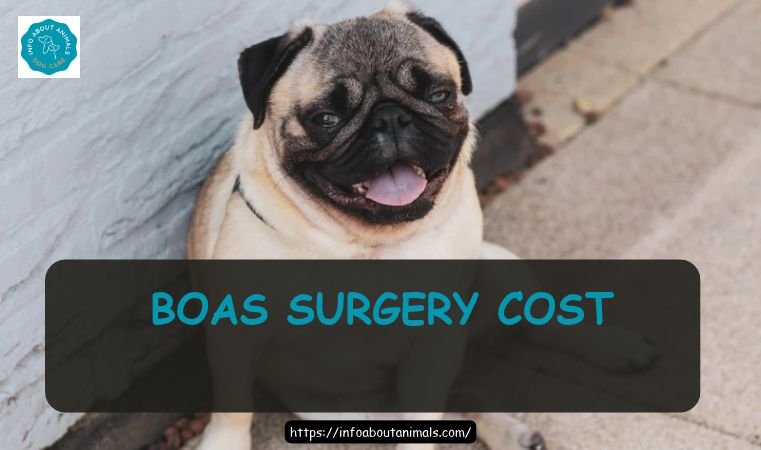
BOAS surgery cost is one of the things that owners of Flat-Faced Breeds (French Bulldog, Pug, English Bulldog, etc.) worry about when it comes to their dogs having BOAS Surgery. Dogs with brachycephalic obstructive airway syndrome have to “work” very hard at just being able to breathe normally. Surgery can significantly improve your dog’s level of comfort in his environment, and overall quality of life. However, this type of surgery is expensive because there is no one size fits all solution. There is no single cost for surgery as each dog has its own unique combination of issues that need to be addressed.
In this article we will discuss what is BOAS Surgery; Typical Costs of Each Surgical Procedure; What Affects Total Cost; Recovery Time.
What Is BOAS?
Brachycephalic Obstructive Airway Syndrome (BOAS) is a group of problems caused by a shortened skull. Because the soft tissues of the nose and throat are not shortened to the same degree, the area where they reside (nose and upper respiratory tract) becomes crowded and obstructed. The most common areas affected by BOAS are:
- Stenotic nares: narrow, pinched nostrils
- Elongated soft palate: tissue that hangs into the airway
- Everted laryngeal saccules: small pouches in the throat that get pulled into the airway
- Narrow windpipe (hypoplastic trachea)
- Thickened tongue and nasal tissues
Signs include loud snoring, noisy breathing, exercise intolerance, gagging, regurgitation and collapse in hot weather. You can read more in our guide to French bulldog breathing problems.
Average BOAS Surgery Cost
In the US, BOAS surgery typically costs $1,500 to $5,000, depending on which procedures are done and where.
| Procedure | Typical cost |
|---|---|
| Nostril widening (rhinoplasty / alarplasty) alone | $500 to $1,500 |
| Soft palate resection (staphylectomy) | $1,000 to $3,000 |
| Combined nostril and soft palate surgery | $1,500 to $4,000 |
| Removal of everted laryngeal saccules (added) | $300 to $1,000 extra |
| Specialist referral hospital, multi-level surgery | $3,000 to $6,000 |
Ask for an estimate that is broken down by service so you can compare prices (Prices usually cover anesthesia, surgery and a brief hospital stay).
What Affects the Price?
Number of procedures
A majority of canines will require correction of more than one area of their upper airway. Combining the necessary surgical procedures into one single anesthesia event is generally less expensive and safer for your pet compared to performing them separately.
Surgical technique
Some surgeons are using laser or newer types of sealing tools. These will usually cut down on blood loss and swelling but likely will be more expensive than older methods.
Pre-surgery tests
Blood tests, chest X-rays and sometimes airway scoping are recommended before surgery, adding $200 to $800.
Hospital stay and monitoring
BOAS dogs are at higher risk during anesthesia recovery. Overnight monitoring in an intensive care unit increases the bill but improves safety.
Location and specialist fees
Referral hospitals and large cities charge more, but they often have more experience with brachycephalic airway surgery.
Is BOAS Surgery Worth It?
Moderate to severe BOAS can be dramatically improved with surgery by helping dogs breathe better, improving endurance during activity and reducing sleep problems. Post-operative, many owners report that their dogs are less anxious and more energetic. The earlier you do surgery on your dog (prior to developing secondary issues like laryngeal collapse) generally, the sooner and more effective will be the outcome.
Although surgery creates an airway which is functional for your dog, it never restores a “normal” airway. Your dog needs constant attention to their diet, temperature and level of physical activity for the rest of its life.
Risks and Recovery
All anesthesia carries risk, and brachycephalic dogs are at higher risk than most breeds. Swelling in the throat after surgery can temporarily make breathing worse. Your vet team will monitor closely.
Typical recovery steps include:
- Hospital monitoring for 12 to 48 hours
- Soft food for one to two weeks
- No collars, using a harness instead
- Restricted exercise for two to three weeks
- Avoiding heat and stress
In general most dogs recover relatively quickly over a period of several weeks.
Ways to Reduce Costs
- Combine procedures with spay or neuter if your vet agrees and the dog is fit for it.
- Ask for a detailed estimate and compare quotes from experienced surgeons.
- Use pet insurance if your dog was enrolled before signs were recorded. See our guide to French bulldog insurance.
- Ask about payment plans at the surgical center.
Prevention and Daily Care
You can’t change what is physically wrong with your dog, but you can help make it easier for them to breathe by reducing stress on their airways:
- Keep your dog lean, since fat narrows the airway further
- Use a harness instead of a collar
- Avoid walks in heat and humidity
- Provide cool, shaded rest areas
- Learn the signs of heat stroke
BOAS Grading
Many veterinarians are using an assessment scale to determine the severity of a dog’s condition. The specific scale can vary among them; however, most take into account the degree of the respiratory sounds and exertion when the dog is resting and immediately after a brief exercise test.
| Grade | Typical signs | Common advice |
|---|---|---|
| Grade 0 to 1 | Little or mild noise, good exercise tolerance | Monitor, keep lean, avoid heat |
| Grade 2 | Noticeable noise and effort after exercise | Consider surgery, especially nostrils and palate |
| Grade 3 | Marked effort at rest, poor tolerance, possible collapse | Surgery strongly recommended |
The dogs’ grade can help determine if the BOAS surgery will be beneficial to you and your veterinarian. Some breeders use the grading system as an aid when choosing healthier breeding stock.
Choosing a Surgeon
Experience counts when it comes to performing airway surgeries. Look into how many times your surgeon has performed BOAS surgical procedures, which technique(s) he/she uses, the methods he/she employs to recover patients under general anesthesia, and what his/her complication rate is. Although there may be a slight increase in cost for an experienced brachycephalic surgeon or clinic; this could be money well spent.
Frequently Asked Questions
How much does BOAS surgery cost?
Typically in the United States, BOAS surgery can range anywhere from $1,500 to $5,000 or more based upon what other surgeries (if any) may be required as well as what region of the country you receive treatment in.
At what age should BOAS surgery be done?
A number of veterinarians also suggest correcting narrow nostrils and an elongated soft palate early; most often this is accomplished by 6–12 months of age or when spayed/neutered to prevent subsequent changes in the airways.
Does pet insurance cover BOAS surgery?
The dog’s coverage may depend on whether or not the dog was covered under the policy when the symptoms first appeared. Other policies will refuse to pay based upon breed of brachycephalic dogs. Read your policy carefully.
What is the recovery time after BOAS surgery?
Most dogs need about two to three weeks to recover; their owners will provide them with soft foods to eat as well as closely monitor how they are doing.
Will my dog breathe normally after BOAS surgery?
Breathing should be improved by a large margin, but the patient’s airway will likely remain abnormal. Therefore, continued maintenance of the patient’s weight; heat; and activity level are still necessary.
Written and medically reviewed by Dr. Muhammad Usman, DVM, RVMP, a licensed veterinarian in Pakistan and Qatar. This article is for general education and is not a substitute for an exam by your own vet.