A Lhasa Apso in a full, floor-length coat is stunning. It’s also a lot of work: a long Lhasa coat needs brushing every day, right down to the skin, or it quickly turns into painful mats. That’s why most pet Lhasas wear a shorter Lhasa Apso haircut – and why choosing the right one makes life easier for both of you.
Quick answer: for most families the best Lhasa Apso haircut is the puppy cut (1–2 inches all over). It looks soft, needs brushing only a few times a week and lets you check the skin. Hot climates suit a shorter summer cut, but never shave right down to the skin.
Why Lhasa Apso Coats Mat So Easily
The Lhasa has a double coat: a long, heavy, straight outer coat and a softer undercoat underneath. The breed sheds very little – and that’s actually part of the problem. Hairs that would simply fall out on another dog stay trapped in the coat and tangle with their neighbours. Leave it a few days, especially behind the ears, in the armpits, on the belly and under a collar or harness, and those tangles tighten into mats.
Mats aren’t just untidy. They pull on the skin every time the dog moves, which hurts. They trap moisture, dirt and urine against the skin – ideal conditions for skin infections and, in warm weather, fly strike. Mats can also hide wounds, lumps, ticks and grass seeds. In severe cases, the only fix is a full shave-down under sedation. So whatever style you choose, the real goal is a coat you can actually keep mat-free.
6 Best Lhasa Apso Haircuts
1. Puppy cut

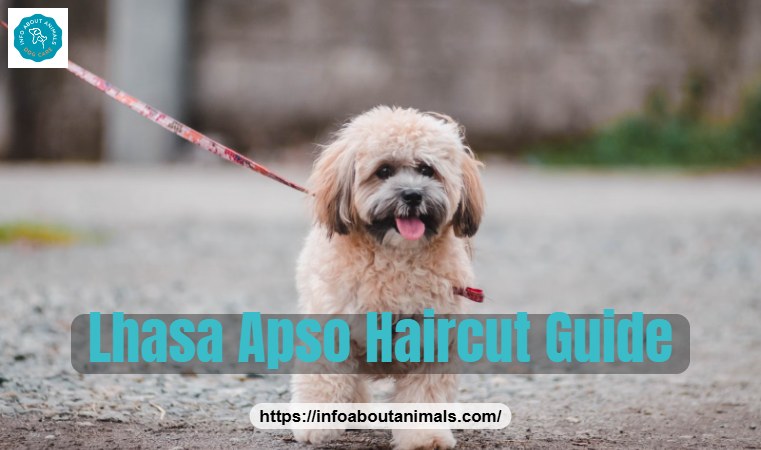
The most popular choice by far. The body coat is trimmed to an even 1–2 inches all over, with the face and ears left a little longer and neatly rounded, and the hair around the eyes kept short. It gives a soft, youthful look, needs brushing only a few times a week, and lets you see and feel the skin underneath. For most families, it’s the best balance of looks and practicality.
2. Teddy bear cut
A close cousin of the puppy cut. The body stays short, but the head is shaped into a full, round, fluffy circle with a short muzzle, giving that cuddly-toy look. It needs a bit more face trimming to stay neat, and the hair around the eyes must be kept short or clipped back so it doesn’t irritate them.
3. Summer cut
If you live somewhere hot – like the Gulf, Australia or the southern US – a shorter summer cut takes the body down to about half an inch. Don’t shave right down to the skin, though. The coat protects against sunburn and helps with temperature control, and some double-coated dogs grow back patchy or with a different texture after a close shave.
4. Topknot with a medium coat
Keep the body coat at 3–4 inches and gather the hair on top of the head into a small topknot with a soft band. This keeps hair out of the eyes while preserving more of the traditional Lhasa look. It needs brushing most days.
5. Full show coat
The traditional coat reaches the floor, parted down the middle of the back. It’s what you’ll see in the show ring, but it takes daily line brushing, regular bathing and conditioning, and wrapping to protect the ends. It’s rarely practical for a pet.
6. Short face, longer body (“Asian fusion” style)
A trendy groomer style that keeps the legs and body a little fuller and the face very short and neat. It’s a good option for dogs that hate face grooming, as there’s less hair to manage around the eyes and mouth.
| Haircut | Body length | Brushing | Groomer visits | Best for |
|---|---|---|---|---|
| Puppy cut | 1–2 in | 2–3× a week | Every 6–8 weeks | Most families |
| Teddy bear | 1–2 in body, round face | 2–3× a week | Every 4–6 weeks | Cute look, regular groomer |
| Summer cut | ~½ in | 1–2× a week | Every 4–6 weeks | Hot climates, active dogs |
| Topknot medium | 3–4 in | Most days | Every 6–8 weeks | Traditional look with less work |
| Show coat | Floor length | Daily | Weekly bathing at home | Shows, dedicated owners |
How to Maintain a Lhasa Apso Haircut at Home
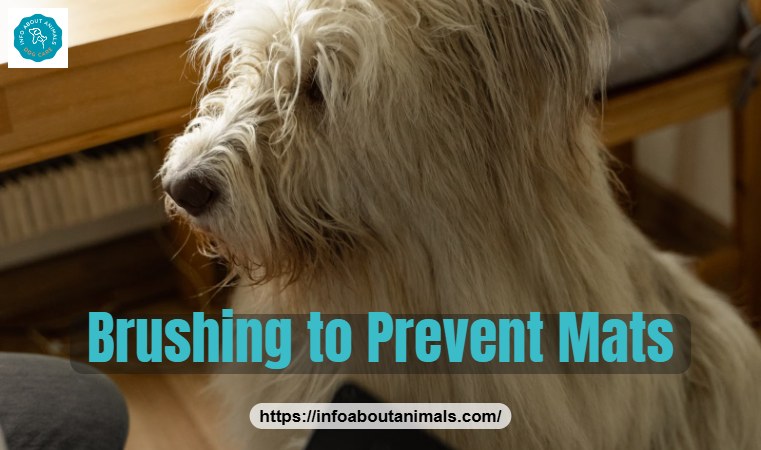
- Brush before every bath. Water tightens mats, so always detangle first.
- Line brush. Lift the coat in sections and brush from the skin outward with a pin brush, then check with a metal comb.
- Work mats gently. Use your fingers and a detangling spray. Never pull. Cut out tight mats carefully with blunt-tipped scissors, or ask a groomer.
- Bathe every 3–4 weeks with a dog shampoo and conditioner, and rinse thoroughly.
- Dry completely. Damp coats mat and smell. Use a cool-setting dryer while brushing.
- Trim the eyes, paws and sanitary area every couple of weeks to keep hair out of eyes and stop mess building up.
- Check ears weekly and remove excess hair only if your vet or groomer recommends it.
Essential tools
- Pin brush and slicker brush
- Wide- and fine-toothed metal comb
- Detangling spray
- Blunt-tipped scissors for paws and face
- Dog nail clippers or grinder
- Soft hair bands for topknots
Choosing a Groomer
A good groomer makes a huge difference with a Lhasa. Look for someone experienced with long-coated breeds who asks about your lifestyle before suggesting a style. Bring photos of the cut you want, and be specific about lengths – “short” means very different things to different people. Ask how they handle matted dogs: a kind groomer will recommend a short clip rather than painfully dematting a badly tangled coat. If your Lhasa is nervous, book short, regular appointments so grooming becomes routine rather than an ordeal.
Lhasa Apso Puppy Grooming
Start handling your puppy from the day it comes home. Touch the paws, ears and face daily, brush for a minute or two at a time, and reward calm behaviour with treats. A Lhasa puppy’s coat is softer and mats less, but the adult coat comes in between about 10 and 18 months, and this “coat change” period is when many owners suddenly find their dog covered in mats. Brush more often during this phase, and consider a first puppy cut to get through it. Most groomers are happy to do a short “intro” session once vaccinations are complete.
Common Haircut Mistakes to Avoid
- Bathing before brushing, which turns tangles into solid mats
- Brushing only the top of the coat and missing the layer near the skin
- Letting the coat get long between groomer visits, then asking for a “trim”
- Shaving too close in summer, causing sunburn or patchy regrowth
- Leaving long hair in the eyes, which leads to irritation and tear staining
- Forgetting the sanitary area, which can cause mess and skin infections
Avoid these, and almost any Lhasa Apso haircut will be easy to maintain.
A Vet’s Tips: Grooming and Lhasa Health
Grooming time is also health-check time. Lhasas are prone to dry eye, so watch for red, sticky or squinty eyes when you trim the face. Feel for new lumps as you brush. Check the skin for redness, scaling or greasy patches, which can point to allergies or sebaceous adenitis. And look at the teeth – small-breed dental disease is extremely common. For the bigger picture, see our Lhasa Apso lifespan and health guide.
Frequently Asked Questions
For most pet Lhasas, the puppy cut is best. The coat is trimmed to an even 1 to 2 inches, which looks neat, prevents mats and needs brushing only a few times a week.
A short-cut Lhasa needs brushing 2 to 3 times a week and a professional groom every 6 to 8 weeks. A long coat needs daily brushing.
You can trim a Lhasa short, but shaving to the skin is not recommended unless the coat is badly matted. The coat protects the skin from sun and helps regulate temperature.
Yes, or tie it up in a topknot. Hair in the eyes can cause irritation, tear staining and infections, and Lhasas are already prone to eye problems.
Lhasa Apsos shed very little, but loose hairs get trapped in the coat and cause mats, which is why regular brushing is essential.
Brush down to the skin regularly, pay extra attention to behind the ears, armpits, belly and under the harness, always brush before bathing and dry the coat fully. A shorter haircut makes this much easier.
References
- American Kennel Club – Lhasa Apso (grooming and coat)
- American Kennel Club – Lhasa Apso vs Shih Tzu: coat and appearance
- PetMD – Lhasa Apso
- Lhasa Apso – breed history and coat
Written and medically reviewed by Dr. Muhammad Usman, DVM, RVMP, a licensed veterinarian in Pakistan and Qatar. This article is for general education and is not a substitute for an exam by your own vet.