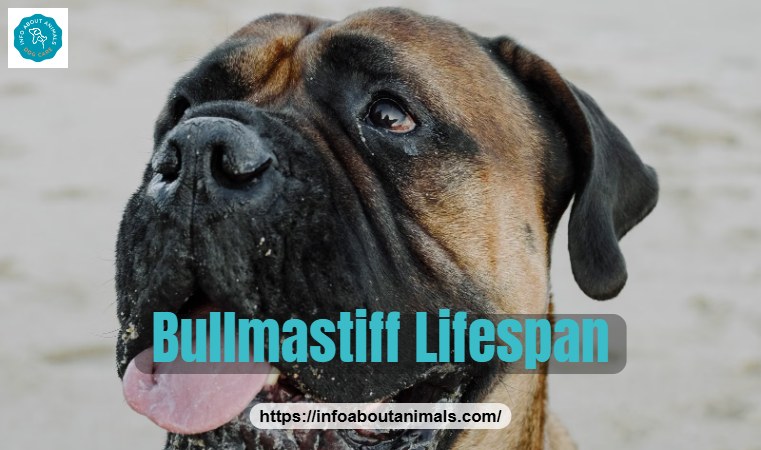
The average Bullmastiff lifespan is about 7 to 10 years. The American Kennel Club gives a range of 7–9 years, and a large study of almost 2,800 Bullmastiffs seen at Australian vet clinics found a median lifespan of 8.5 years. In other words, half the dogs in that study lived longer than 8.5 years and half didn’t. Some Bullmastiffs reach 11 or 12, but it’s uncommon.
Genetics, diet, weight, exercise and early vet care all shape where an individual dog falls in that range, which is why two Bullmastiffs from different backgrounds can have very different life expectancies. That’s shorter than many people hope for, so this guide explains why, what Bullmastiffs most often die from, and – most importantly – what you can do to give your dog the longest, healthiest life possible.
Bullmastiff Lifespan at a Glance
| Measure | Figure |
|---|---|
| Typical lifespan | 7–10 years |
| AKC range | 7–9 years |
| Median lifespan (VetCompass Australia study) | 8.5 years |
| Males vs females (same study) | 8.5 vs 8.3 years – no real difference |
| Neutered vs entire females (same study) | 9.1 vs 6.4 years |
| Leading cause of death | Tumours and cancers (~28%) |
Why Is the Bullmastiff Lifespan So Short?
The main reason behind the shorter Bullmastiff lifespan is size. Across dogs in general, larger breeds tend to live shorter lives than small ones. Giant breeds grow extremely fast in their first year and seem to age faster afterwards too. A Bullmastiff goes from a newborn puppy weighing under a kilogram to a 45–60 kg adult in about 18 months. That rapid growth puts a lot of strain on the joints, the heart and other organs, and age-related diseases tend to show up earlier.
How Bullmastiff Lifespan Compares to Other Breeds
| Breed | Typical lifespan |
|---|---|
| Bullmastiff | 7–10 years |
| English Mastiff | 6–10 years |
| Great Dane | 7–10 years |
| Rottweiler | 9–10 years |
| Boxer | 10–12 years |
| French Bulldog | 10–12 years |
| Labrador Retriever | 11–13 years |
For a detailed look at how the two closest relatives differ, see Bullmastiff vs Mastiff.
What Do Bullmastiffs Usually Die From?
The same Australian study looked at causes of death. The largest group was mass lesions – mostly tumours and cancers – making up around 28% of deaths. Old age, bone and joint problems, and neurological disorders followed. Behaviour problems also appeared on the list, which is a reminder that early socialisation and training really matter for a dog this big and strong.
Health Problems That Shorten Bullmastiff Lifespan

Cancer
Cancer is the health issue most Bullmastiff owners worry about, and with good reason. Lymphoma – cancer of the lymph nodes and immune system – is reported more often in Bullmastiffs than in many other breeds. Bone cancer, mast cell tumours and other tumours are also seen. Not every lump is cancer, but every new lump on a Bullmastiff should be checked by a vet, ideally with a quick needle sample (fine-needle aspirate).
Hip and elbow dysplasia, arthritis and cruciate tears
Hip and elbow dysplasia are common in the breed, and many Bullmastiffs develop arthritis as they age. Torn cruciate ligaments in the knee are also frequent in heavy dogs. Sadly, in giant breeds it’s often the loss of mobility – no longer being able to get up and walk comfortably – that leads owners to the hardest decision.
Bloat (GDV)
Bloat, or gastric dilatation-volvulus, is a sudden emergency where the stomach fills with gas and twists. Deep-chested breeds like the Bullmastiff are at higher risk. Without fast surgery it is usually fatal within hours. Warning signs include a swollen belly, retching without bringing anything up, drooling, restlessness and collapse.
Other conditions
- Heart disease, including dilated cardiomyopathy (DCM)
- Hypothyroidism (underactive thyroid)
- Entropion – eyelids rolling inward and rubbing the eye
- Skin fold infections and allergies
- Obesity, which worsens almost every condition above
How to Help Your Bullmastiff Live Longer

- Choose a health-tested puppy. Ask the breeder for hip and elbow scores, heart and eye checks on both parents.
- Grow puppies slowly. Feed a large-breed puppy diet and avoid overfeeding. Fast growth increases joint problems.
- Keep your dog lean. You should be able to feel the ribs easily. Lean dogs live longer and have less arthritis.
- Protect the joints. Avoid lots of stairs, jumping and forced running in puppies. Gentle daily walks and swimming suit adults.
- Reduce bloat risk. Feed two or three smaller meals a day, avoid exercise for an hour after meals, and ask your vet about a preventive gastropexy, which can be done at neutering.
- Check lumps early. Run your hands over your dog weekly and get new lumps sampled.
- Keep up with vet visits. Yearly check-ups for adults, every six months from about age 6, with blood tests.
- Look after teeth and skin – dental disease and skin infections add to the body’s inflammatory load.
- Train and socialise early so your dog stays manageable and safe all its life.
Neutering decisions in giant breeds are worth discussing carefully with your vet, as timing can affect joint development and some cancer risks. In the Australian study, neutered female Bullmastiffs lived longer than entire females, but the best timing for your own dog depends on several factors.
Signs Your Bullmastiff Is Getting Old
When it comes to Bullmastiff lifespan, the senior years arrive early. Many Bullmastiffs start to show signs of ageing from about 6 or 7. Look for greying around the muzzle, stiffness when getting up, sleeping more, reluctance on stairs, weight changes, cloudy eyes and less interest in walks. These changes are not “just old age” that must be accepted – arthritis pain, thyroid problems and dental disease are all treatable, and treating them can add good-quality time.
Bullmastiff Life Stages
| Stage | Age | What to focus on |
|---|---|---|
| Puppy | 0–12 months | Large-breed puppy food, slow growth, socialisation, gentle exercise |
| Adolescent | 12–24 months | Training consistency, finishing growth, joint protection |
| Adult | 2–6 years | Lean weight, daily walks, yearly vet checks, dental care |
| Senior | 6–7 years + | Six-monthly checks, blood tests, arthritis management, softer bedding |
Bullmastiffs keep growing and filling out until about 18–24 months. Many owners are surprised at how late they mature, both physically and mentally. Treat a one-year-old Bullmastiff as a big puppy: still learning, still growing, and still vulnerable to joint damage from too much jumping or running.
Caring for a Senior Bullmastiff
A senior Bullmastiff needs a little extra help to stay comfortable. Thick orthopaedic beds take pressure off elbows and hips. Non-slip rugs on tiled floors – very common in homes in the Gulf – stop a stiff dog from sliding and falling. Ramps make getting into the car easier. Shorter, more frequent walks are better than one long one.
Ask your vet about pain relief if your dog is stiff, slow to rise or reluctant to walk. Modern arthritis medicines, joint supplements, weight control and physiotherapy can make a big difference. Also keep an eye on breathing, appetite, thirst and weight, since heart, kidney and thyroid problems become more likely with age.
Quality of Life Matters More Than Years
With a giant breed, the goal is not just a longer life but a comfortable one. A useful habit is to score your dog’s day on a few simple questions: Is my dog eating well? Can it get up and move around without pain? Does it still enjoy its favourite things? Are the good days outnumbering the bad? Talking openly with your vet about these questions helps you plan ahead, so that when difficult decisions come, they’re made calmly and in your dog’s best interest.
Frequently Asked Questions
Most Bullmastiffs live 7 to 10 years. A large Australian study found a median lifespan of 8.5 years, and the AKC lists 7 to 9 years.
A few Bullmastiffs live to 11 or 12 years, and very occasionally longer, but this is uncommon for such a large breed.
Tumours and cancers are the most common cause of death, followed by old age, joint and bone disease and neurological problems. Bloat is a major cause of sudden death.
In the large Australian study, males and females had almost the same median lifespan (8.5 vs 8.3 years). Neutered females lived longer than entire females.
Many vets consider Bullmastiffs seniors from around 6 to 7 years of age, earlier than smaller breeds.
Keep your dog lean, feed a quality large-breed diet, protect the joints, reduce bloat risk, check lumps early and keep up with regular vet check-ups.
References
- The demography, longevity and mortality of Bullmastiffs attending veterinary practices in Australia, Animals
- American Kennel Club – Bullmastiff breed information
- WebMD Pets – What to know about Bullmastiffs
- PetMD – Bullmastiff
- Bullmastiff – breed overview
Written and medically reviewed by Dr. Muhammad Usman, DVM, RVMP, a licensed veterinarian in Pakistan and Qatar. This article is for general education and is not a substitute for an exam by your own vet.