Do Bullmastiffs shed a lot? Not as much as their size suggests. Bullmastiffs are moderate shedders: their short, dense coat drops hair steadily all year, with two heavier sheds in spring and autumn. A quick brush once or twice a week keeps it under control for most owners. The bigger surprise for new owners is usually the drool, not the fur.
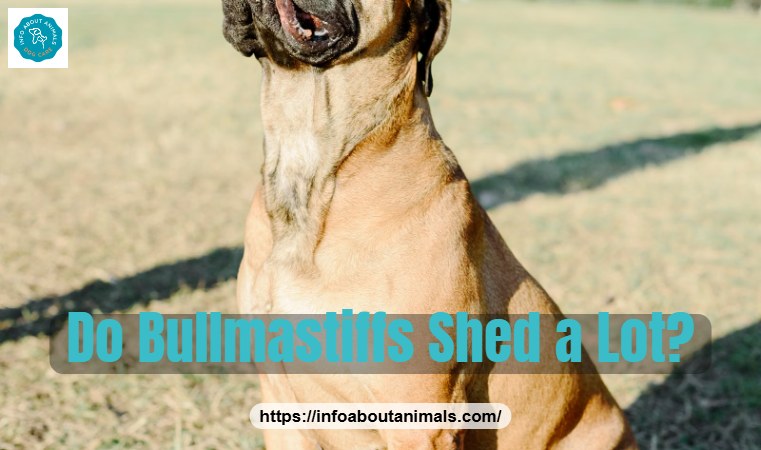
Do Bullmastiffs Shed a Lot Compared to Other Breeds?
There’s a fair amount of hair simply because there’s a lot of dog. Each hair is short, but a Bullmastiff weighs around 45–59 kg (100–130 lb), so the number of hairs adds up. You’ll find short fawn, red or brindle hairs on floors, sofas and clothes. Because they’re short and stiff, they tend to weave into fabric rather than rolling into soft clumps like longer hair.
| Breed | Coat | Shedding level |
|---|---|---|
| Bullmastiff | Short, dense | Moderate, two seasonal sheds |
| English Mastiff | Short, double coat | Moderate to heavy |
| Boxer | Short, single coat | Low to moderate |
| Rottweiler | Short, double coat | Moderate to heavy |
| German Shepherd | Medium, double coat | Heavy |
Why Bullmastiffs Shed: Coat and Seasons
The coat has a short, coarse outer layer and a finer, softer layer close to the skin. That softer layer thickens in cold weather and comes out in spring, usually over two to four weeks. During this time you may pull out small tufts just by running your hand along the back. In autumn the cycle runs the other way as the winter coat grows in.
Bullmastiffs that live mostly indoors in air conditioning, or in hot countries like Qatar and the UAE, often lose the clear seasonal pattern. Instead, they shed lightly and evenly all year.
What Makes a Bullmastiff Shed More Than Normal?
- Diet: food low in quality protein or fatty acids often shows up first as a dull coat and extra hair loss.
- Stress and illness: moving home, kennel stays, illness or surgery can trigger a heavy shed a few weeks later.
- Allergies: environmental and food allergies cause itching, licking and patchy hair loss.
- Skin fold infections: the folds on the face and around the lips trap moisture and bacteria.
- Demodectic mange: more common in young dogs, causing patches of hair loss, often around the eyes and face.
- Hypothyroidism: an underactive thyroid is fairly common in large breeds and leaves the coat thin, dry and slow to regrow.
If your answer to “do Bullmastiffs shed a lot?” has suddenly changed from “a bit” to “constantly”, something may be wrong. See your vet if you notice bald patches, red or scaly skin, a bad smell, constant scratching, or shedding that suddenly gets much worse and doesn’t settle.
Bullmastiff Shedding vs Drooling
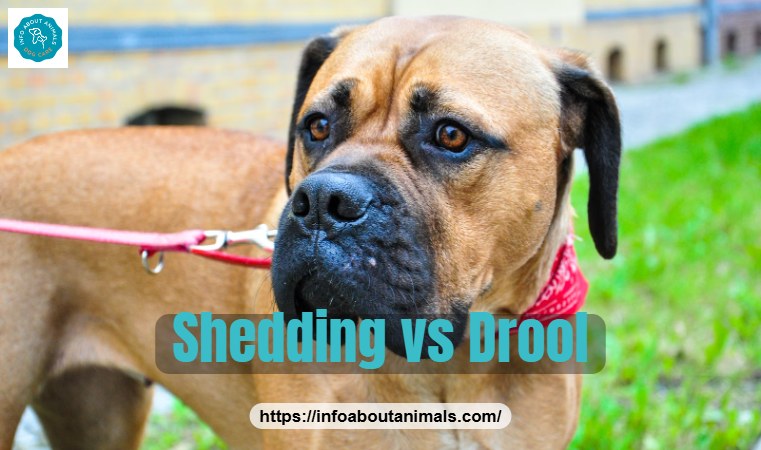
Ask most Bullmastiff owners what they clean up more, and they’ll say drool. So if you’re asking “do Bullmastiffs shed a lot?” because you want a tidy home, drool deserves just as much thought as hair. The breed’s loose lips (flews) collect saliva, especially after drinking, eating, in hot weather or when the dog is excited. Expect drool on walls, furniture and trousers. Keeping a “drool towel” in every room is a running joke among owners, but it works. Some dogs drool more than others, depending largely on how loose their lips are.
Sudden heavy drooling that isn’t normal for your dog can be a sign of nausea, dental pain, something stuck in the mouth, heat stress or bloat. Bloat (gastric dilatation-volvulus) is an emergency in deep-chested breeds like the Bullmastiff, so drooling with a swollen belly, retching without bringing anything up, or restlessness needs a vet immediately.
Easy Bullmastiff Grooming Routine
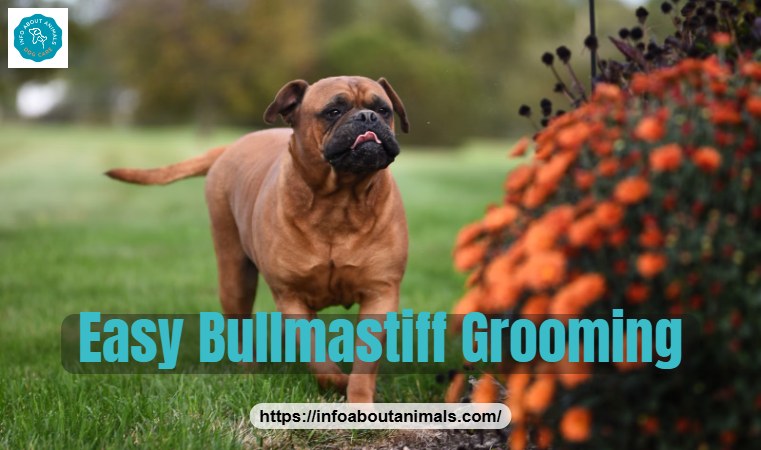
Brushing a Bullmastiff is easy. Use a rubber curry brush or grooming mitt at least once a week to lift loose hair before it ends up on your furniture. During seasonal sheds, brush every day or two. Bath only when needed – about once every one to two months – with a gentle dog shampoo. And take a few seconds every day to wipe the face folds and the corners of the mouth, where moisture and bacteria collect.
| Task | How often | Tip |
|---|---|---|
| Brush with rubber curry or mitt | 1–2× a week (daily in sheds) | Brush outdoors in heavy shedding weeks |
| Wipe face folds and lips | Daily | Dry thoroughly after wiping |
| Bath | Every 4–8 weeks | Use a mild dog shampoo, rinse well |
| Nail trim | Every 3–4 weeks | Large dogs need strong clippers or a grinder |
| Ear check | Weekly | Clean only if dirty |
| Teeth brushing | Several times a week | Helps reduce drool odour too |
Tips to Keep Bullmastiff Hair Under Control at Home
- Cover sofas and beds with washable throws
- Vacuum twice a week with a pet-hair tool
- Keep lint rollers by the door and in the car
- Choose a large, washable dog bed and wash the cover weekly
- Feed a complete large-breed diet with good-quality protein and omega-3 fatty acids
Are Bullmastiffs Hypoallergenic?
No. No dog breed is truly hypoallergenic, because the proteins that trigger allergies are found in dander and saliva, not just hair. With all that drool, Bullmastiffs spread plenty of saliva around the house, so they’re not a good choice for people with dog allergies.
Want to know more about the breed? Read our guides to Bullmastiff lifespan and Bullmastiff vs Mastiff.
Do Bullmastiff Puppies Shed?
Yes. Bullmastiff puppies have a softer, slightly fluffier coat that sheds lightly. Between roughly 6 and 12 months, the puppy coat is replaced by the coarser adult coat, and many owners notice a burst of shedding during this change. It’s a great time to get your puppy used to brushing, wiping the face folds, handling the paws and having the mouth checked. A 60 kg adult that has never been groomed is much harder to handle than a puppy that thinks brushing is normal.
Does Coat Colour Affect Shedding?
Bullmastiffs come in fawn, red and brindle, usually with a black mask. Colour doesn’t change how much a Bullmastiff sheds, but it does change how visible the hair is. Fawn and red hairs show up on dark sofas and clothes, while darker brindle hairs show more on light floors and bedding. Choosing furniture covers that roughly match your dog’s colour is a simple trick many owners swear by.
Feeding for a Healthy Coat: A Vet’s View
When owners ask me how to reduce shedding, the first thing I look at is the food bowl. A healthy coat needs:
- High-quality animal protein – hair is about 90% protein, and a fast-growing giant breed needs plenty of it.
- Omega-3 fatty acids (EPA and DHA from fish oil) – these support the skin barrier and reduce inflammation.
- Omega-6 fatty acids – important for coat shine and skin moisture.
- Zinc, biotin and vitamin E – usually covered in a complete commercial diet.
Choose a complete, large- or giant-breed formula rather than adding lots of supplements on your own. Large-breed puppy diets are especially important, because the right calcium and energy levels help protect growing joints. If you’d like to add fish oil, ask your vet for the right dose for your dog’s weight – too much can cause loose stools or affect blood clotting.
Skin Problems That Look Like Shedding
Sometimes “shedding” is actually a skin problem. Look closely at the skin when you brush. Red bumps, flaky dandruff, greasy patches, dark thickened skin, or a yeasty smell (often around the lips, ears, paws and armpits) all suggest something more than normal coat turnover. In Bullmastiffs, the most common culprits are allergies, bacterial skin infection (pyoderma), lip fold infection and, in young dogs, demodex mites. Most are very treatable once diagnosed, but they rarely go away on their own.
Frequently Asked Questions
Bullmastiffs are moderate shedders. They lose short hairs all year with heavier shedding in spring and autumn, but weekly brushing keeps it manageable.
Yes. Most Bullmastiffs drool, especially after drinking, eating, exercise or in warm weather, because of their loose lips. Many owners find drool more noticeable than shedding.
Bullmastiffs usually shed most in spring when they lose their winter coat and again in autumn. Indoor dogs in air conditioning or hot climates may shed lightly all year.
No. Bullmastiffs are not hypoallergenic. They shed and drool, spreading dander and saliva proteins that trigger dog allergies.
A rubber curry brush or grooming mitt is best for the Bullmastiff’s short, dense coat. A bristle brush can be used afterwards for shine.
Every one to two months is enough for most Bullmastiffs. Bathing too often dries the skin. Clean the face folds daily instead.
References
- American Kennel Club – Bullmastiff breed information
- Bullmastiff – breed history and overview
- PetMD – Bullmastiff
- Purina UK – Bullmastiff breed guide
- American Kennel Club – Dog shedding: what to expect and how to manage it
Written and medically reviewed by Dr. Muhammad Usman, DVM, RVMP, a licensed veterinarian in Pakistan and Qatar. This article is for general education and is not a substitute for an exam by your own vet.