Boston Terrier vs French Bulldog – these two get mixed up all the time. Both are small, muscular, short-coated dogs with flat faces, big eyes and upright ears, and both are known as funny, affectionate companions. Put them side by side, though, and the differences in looks, energy and health become clear.
Quick answer: the Boston Terrier is taller, leaner and more athletic, with pointed ears, a tuxedo coat and more energy. The French Bulldog is lower, wider and heavier, with bat ears and a calmer, couch-loving nature. Both are flat-faced, but Frenchies usually have more severe breathing problems, while Bostons are more prone to eye injuries.

Boston Terrier vs French Bulldog: Comparison Table
| Feature | Boston Terrier | French Bulldog |
|---|---|---|
| Origin | Boston, USA (1800s) | England → France (1800s) |
| Nickname | “The American Gentleman” | “Frenchie” |
| Height | 15–17 in (38–43 cm) | 11–13 in (28–33 cm) |
| Weight | 12–25 lb (5–11 kg) | Under 28 lb (up to ~13 kg) |
| Build | Square, leggy, athletic | Low, wide, muscular |
| Ears | Pointed, upright | Rounded “bat ears” |
| Coat colours | Black, brindle or seal with white (tuxedo) | Fawn, cream, brindle, pied and others |
| Energy | Moderate to high | Low to moderate |
| Temperament | Lively, friendly, eager to please | Laid-back, affectionate, can be stubborn |
| Lifespan | 11–13 years | 10–12 years |
| Main health concerns | Eye injuries and disease, deafness, BOAS (milder) | BOAS, spine problems, skin and allergies |
| Shedding | Low | Low to moderate |
History: Same Roots, Different Paths
The two breeds share ancestry: both descend from the old bulldog and terrier types of 19th-century England. The French Bulldog was developed from small “toy” bulldogs taken to France by English lace workers, and refined in Paris, where it gained its famous bat ears. The Boston Terrier was developed in Boston, Massachusetts, from a cross between an English Bulldog and the now-extinct white English Terrier. It became one of the first breeds created in the United States, and its gentle manners earned it the nickname “the American Gentleman”.
How to Tell a Boston Terrier From a French Bulldog
Body shape
This is the easiest giveaway. A French Bulldog is low, wide and heavy for its size, with a broad chest, thick neck and short legs – a little weightlifter. A Boston Terrier is taller, slimmer and squarer, with longer legs and a lighter, athletic frame – more of a sprinter. Frenchies can weigh up to around 13 kg, while most Bostons weigh 5–11 kg but stand noticeably taller.
Head and ears

Frenchies have bat ears – wide at the base and rounded at the tips – and a heavy, square head with deep wrinkles over a very short nose. Bostons have pointed, upright ears and a smoother, squarer head with fewer wrinkles and a slightly longer muzzle.
Coat colour

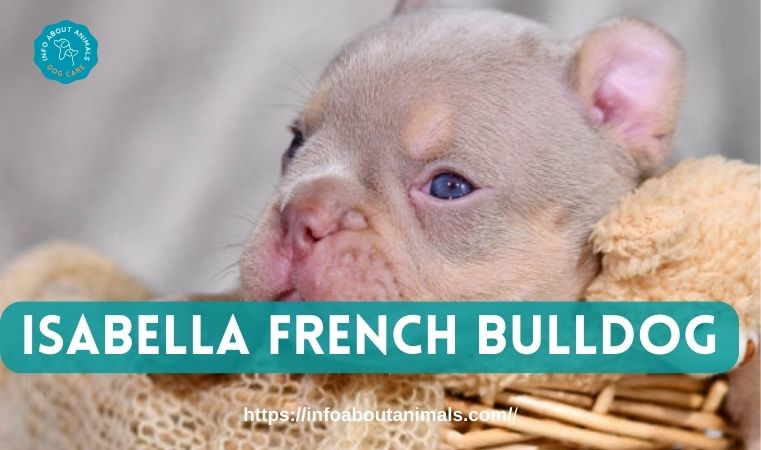
Boston Terriers almost always wear a “tuxedo”: black, brindle or seal with white markings on the face, chest and legs. French Bulldogs come in fawn, cream, brindle and pied. Many “rare” Frenchie colours sold by breeders – such as blue, lilac and merle – aren’t recognised by major kennel clubs and can be linked to health problems. Learn more in our guides to merle French Bulldogs and lilac merle French Bulldogs.
Boston Terrier vs French Bulldog Temperament
In daily life, the Boston is usually the livelier of the two. Bostons enjoy longer walks, play harder and can handle more exercise; many enjoy fetch, agility and running in the park. They tend to be keen to please and fairly easy to train. Frenchies are more laid-back and happy with shorter walks and long naps – partly because their breathing limits how much they can do. They’re clownish and loving, but can be stubborn in training.
Both breeds are affectionate, good with children and other pets, and suit apartment living. Neither does well left alone for long hours, and both can be prone to separation anxiety.
Health: Which Breed Is Healthier?
Both are brachycephalic (flat-faced) breeds, so both can suffer from breathing problems and heat intolerance. On average, though, Frenchies are more severely affected because of their shorter muzzles and heavier build. Read more in our guide to French Bulldog breathing problems.
| Health issue | Boston Terrier | French Bulldog |
|---|---|---|
| Breathing problems (BOAS) | Common, usually milder | Very common, often more severe |
| Heat stroke risk | High | Very high |
| Eye problems | Very common – corneal ulcers, cataracts, glaucoma | Common – cherry eye, ulcers |
| Spine problems (IVDD, hemivertebrae) | Possible | Common |
| Skin allergies and fold infections | Moderate | Common |
| Deafness | Seen, especially in dogs with lots of white | Seen |
| Need for C-section | Common | Very common |
The Boston’s large, prominent eyes are easily scratched, so watch for squinting, redness or cloudiness and see a vet quickly. Frenchies need extra care with weight, heat and back health. For either breed, keep your dog lean, use a harness instead of a collar and avoid exercise in hot weather – see French Bulldog heat stroke signs, which apply to Bostons too.
Grooming and Shedding
Both have short, easy coats. Bostons shed very lightly, while Frenchies shed a little more, especially seasonally (see do French Bulldogs shed?). Frenchies need their facial wrinkles and tail pocket cleaned and dried regularly; Bostons have fewer folds but need their eyes checked often.
Exercise and Training
A Boston Terrier typically needs 45–60 minutes of activity a day, split into walks and play. A French Bulldog usually needs 30–45 minutes of gentle exercise, kept short in warm weather. Both respond best to positive, reward-based training with short sessions. Bostons tend to pick up commands quickly; Frenchies are clever but may decide they’d rather not, so treats and patience are your friends.
Cost of Ownership
French Bulldogs are usually much more expensive to buy and often cost more over a lifetime because of breathing surgery, spinal problems, allergies and the need for C-sections in breeding. Pet insurance premiums for Frenchies are among the highest of any breed. Bostons are typically more affordable, though eye problems can bring vet bills of their own.
Living in a Hot Climate
If you live in a hot country like Qatar, the UAE or Saudi Arabia, both breeds need very careful heat management. Bostons generally cope a little better thanks to their slightly longer muzzles and lighter bodies, but neither breed should be walked in the heat of the day. Keep walks to early morning and after sunset in summer, provide air conditioning at home, and never leave either dog in a car. A cooling mat and indoor play are your best friends for half the year.
Buying Responsibly
Whichever breed you choose, find a breeder who health-tests and chooses dogs with more open nostrils and moderate features. For French Bulldogs, ask about Respiratory Function Grading results; for Bostons, ask about eye examinations and BAER hearing tests. Avoid “rare colour” and “teacup” marketing, which often signals breeding for looks over health – see why in our article on the teacup French Bulldog. Adopting from a breed rescue is another great option, as both breeds are commonly surrendered by owners who underestimated their needs.
Which Should You Choose?
| Choose a Boston Terrier if… | Choose a French Bulldog if… |
|---|---|
| You want a playful dog for longer walks and games | You want a calm, cuddly couch companion |
| You like a dog that is easy to train | You don’t mind a bit of stubbornness |
| You live somewhere warm (still take care) | You can keep your dog cool and limit exercise |
| You want lower lifetime vet costs on average | You can budget for higher vet and insurance costs |
Frequently Asked Questions
Boston Terriers are taller, leaner and more athletic, with pointed ears and a tuxedo coat. French Bulldogs are shorter, wider and heavier, with bat ears and a wider range of colours. Bostons are usually more energetic, while Frenchies are more laid-back.
Boston Terriers are generally slightly healthier and live a little longer, with milder breathing problems. However, they are very prone to eye problems. French Bulldogs more often have severe breathing, spine and skin issues.
Yes. Both descend from 19th-century English bulldog and terrier types. The Boston was developed in the US from an English Bulldog and English Terrier cross, while the Frenchie came from toy bulldogs taken to France.
Bostons are taller, but French Bulldogs are usually heavier and more muscular.
Both suit apartment living. Frenchies need less exercise, while Bostons need more activity but are usually quieter and easier to train.
French Bulldogs shed a little more than Boston Terriers, but both are low-to-moderate shedders with easy-care coats.
References
- American Kennel Club – Boston Terrier
- American Kennel Club – French Bulldog
- PetMD – French Bulldogs vs Boston Terriers: how they’re different
- PetsRadar – Boston Terrier vs French Bulldog: key differences
- University of Cambridge – BOAS research
Written and medically reviewed by Dr. Muhammad Usman, DVM, RVMP, a licensed veterinarian in Pakistan and Qatar. This article is for general education and is not a substitute for an exam by your own vet.