Living with a dog in Qatar or the UAE is very different from life with a dog in Europe or North America. Summer temperatures regularly pass 45°C, and in coastal cities like Doha, Dubai and Abu Dhabi, humidity can stay very high for weeks. For a dog, that’s the toughest combination of all, because panting – the main way dogs cool down – works poorly when the air is already hot and wet. That’s why picking one of the best dog breeds for UAE and Qatar conditions matters more here than almost anywhere else.
Quick answer: the best choices for Gulf heat are the Saluki, a local Arabian/baladi rescue dog, Basenji, Pharaoh Hound, Whippet, Italian Greyhound, Chihuahua, Jack Russell Terrier and Canaan Dog. Avoid flat-faced breeds, giant breeds and heavy-coated snow dogs if you can.
The Gulf Dog Year: Two Very Different Seasons
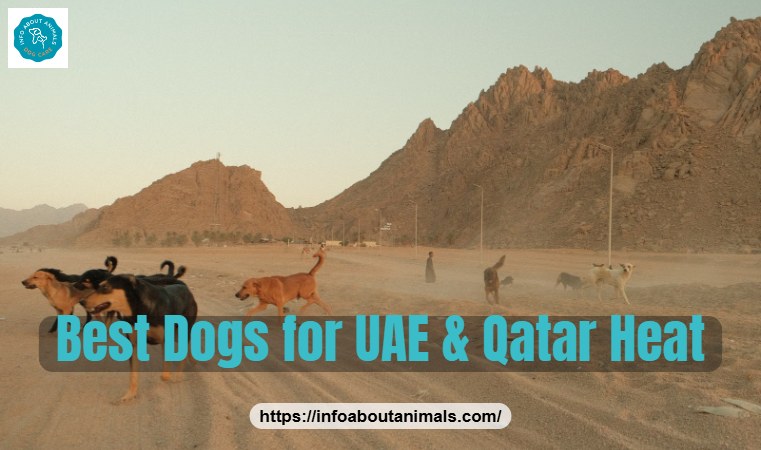
It helps to split the Gulf year into two seasons. From roughly October to April, the weather is warm to pleasant, and most healthy dogs can enjoy long walks, the beach and desert outings. From May to September, the outdoor world shrinks. Walks move to before sunrise or late at night, pavements and sand can stay hot enough to burn paws even after dark, and most exercise happens indoors. A good Gulf dog needs to cope with both: an active winter and a long, mostly indoor summer. That balance is exactly what the best dog breeds for UAE and Qatar homes have in common.
| Month | Typical conditions | Dog activity |
|---|---|---|
| Nov–Mar | Mild to warm, 18–30°C | Long walks, beach, desert trips |
| Apr & Oct | Warm to hot, 30–38°C | Morning and evening walks only |
| May–Sep | Very hot, 38–48°C, often humid | Short toilet trips at dawn/night; indoor exercise |
What Makes the Best Dog Breeds for UAE and Qatar Heat?
- Normal or long muzzle – so the dog can pant efficiently
- Lean, light frame – less insulation, more surface area to lose heat
- Short single coat or fine, silky coat – not thick and woolly
- Small to medium size – or, if large, a sighthound build rather than a mastiff
- Lighter coat colour – absorbs less sun
- Adaptable energy – able to cope with less outdoor exercise in summer
Best Dog Breeds for UAE and Qatar
1. Saluki
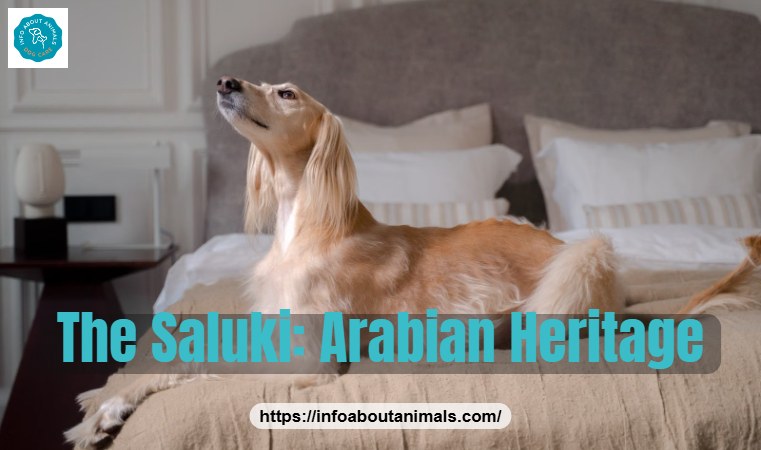
At the top of the list is the Saluki, a breed with deep roots in the Arabian Peninsula. For centuries Bedouin families kept Salukis to hunt hare and gazelle in the desert, and the breed is still treasured across the Gulf today. Its long legs, lean body and light coat are made for heat, and it’s calm and gentle at home. Like all sighthounds, it has a powerful chase instinct, so only let it off the lead in secure areas.
2. Local Arabian or “baladi” rescue dogs
One of the best options is to adopt a local desert dog. Many rescue dogs in Qatar and the UAE are lean, short-coated mixed breeds – often called Arabian or baladi dogs – whose ancestors have lived in the region for generations. They’re naturally adapted to the climate, often hardy and healthy, and local shelters have many waiting for homes. Adopting also gives a dog a second chance.
3. Basenji
An African breed with a fine, short coat, lean build and large ears. Clean, quiet (“barkless”) and cat-like – good for apartments, though independent and clever at escaping.
4. Pharaoh Hound and Ibizan Hound
Mediterranean sighthounds with short coats and big ears that cope well with heat. Friendly and playful, but they need space and secure fencing.
5. Whippet and Italian Greyhound
Lean, short-coated and calm indoors – ideal for apartment life in Doha or Dubai. Their thin coats suit heat, though they can burn on pale skin and overheat if they sprint in hot weather. Italian Greyhounds actually prefer warmth.
6. Chihuahua
Tiny, short-coated and from hot Mexico, Chihuahuas suit Gulf apartments well. Choose a dog with a moderate muzzle rather than an extreme “apple head”.
7. Jack Russell Terrier
Small, wiry and adaptable. Jack Russells handle warm weather well but are very energetic, so they need lots of indoor games in summer.
8. Canaan Dog
Developed in the deserts of the Middle East, the Canaan Dog is hardy, alert and well adapted to dry heat. A natural watchdog that bonds closely with its family.
Breeds That Struggle in Gulf Heat
| Breed type | Examples | Main risk |
|---|---|---|
| Flat-faced | French Bulldog, Pug, English Bulldog, Shih Tzu, Boxer | Breathing problems and heat stroke |
| Snow dogs | Siberian Husky, Alaskan Malamute, Samoyed | Thick coats trap heat |
| Giant breeds | Saint Bernard, Newfoundland, Great Dane, Bullmastiff | Overheat quickly, joint problems on hard floors |
| Dense-coated breeds | Chow Chow, Bernese Mountain Dog, Old English Sheepdog | Heat retention |
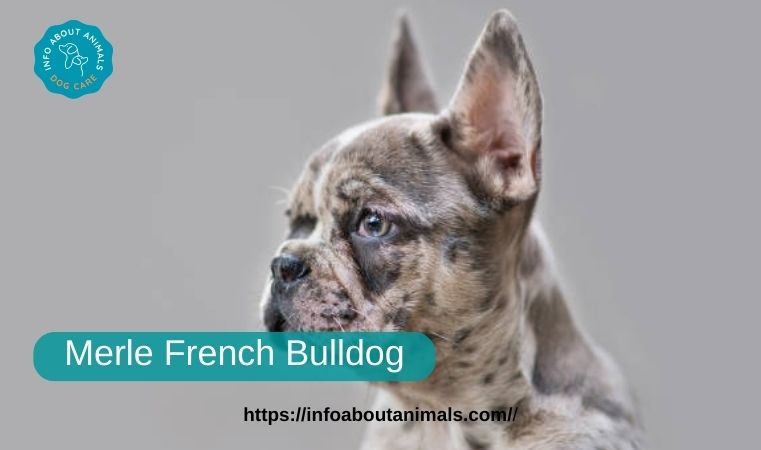
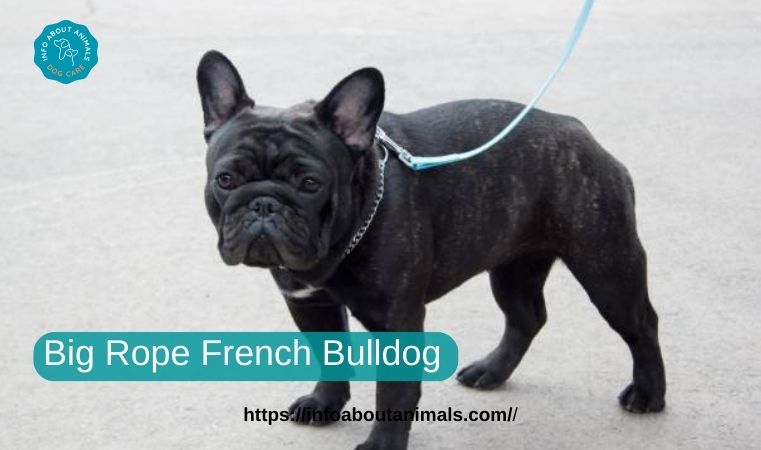
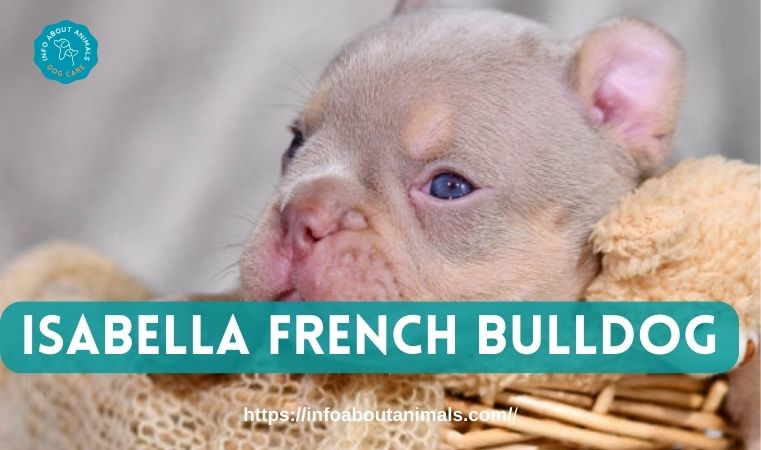
These dogs can still live in the Gulf with air conditioning and very careful management, but they need more effort and carry more risk. If you own a Frenchie, read our guide to French Bulldog heat stroke signs.
Summer Survival Tips for Gulf Dog Owners

- Walk at dawn or late night only in summer – often before 5:30 am or after 9 pm.
- Test the ground. Hold the back of your hand on pavement or sand for 5 seconds. If you can’t, it’s too hot for paws.
- Keep air conditioning on when your dog is home alone, and have a backup plan for power cuts.
- Never leave your dog in a car – temperatures inside can become deadly within minutes.
- Provide indoor exercise: puzzle feeders, scent games, training, treadmill sessions or indoor dog play areas.
- Use cooling mats and offer cool (not ice-cold) water.
- Keep your dog lean – extra weight makes heat much harder to handle.
- Watch for heat stress: heavy panting, drooling, bright red gums, weakness or stumbling mean you should cool your dog and call a vet.
A Vet’s Advice on Choosing a Dog in the Gulf
As a vet licensed in Qatar, the heat-related emergencies I worry about most are in flat-faced breeds, overweight dogs and dogs that were brought from cooler countries without time to acclimatise. If you’re choosing a new dog, picking a heat-adapted breed or a local rescue removes much of that risk from the start.
Whatever breed you choose, book a check-up soon after arrival. Ask about tick and parasite prevention (ticks and tick-borne diseases are a real concern in the region), vaccinations, a healthy target weight, and how to recognise heat stress. Microchip your dog and keep its registration up to date. And plan ahead for travel: many Gulf residents leave in summer, so find a trusted boarding kennel or pet sitter with air-conditioned facilities well before you need one.
Rules and Practical Considerations
Before choosing from the best dog breeds for UAE and Qatar living, check local rules. The UAE restricts or bans certain breeds considered dangerous, including pit bull types, and requires dogs to be registered and vaccinated. Rules can change and may differ between emirates, so confirm with your local municipality or vet. In both countries, many apartment buildings and compounds have their own pet policies, sometimes limiting dog size, so check your tenancy agreement. Public parks and beaches often restrict dogs, so look for designated dog-friendly areas.
Frequently Asked Questions
The Saluki is one of the best, thanks to its Arabian heritage, lean build and light coat. Local Arabian or baladi rescue dogs, Basenjis, Whippets, Pharaoh Hounds and Chihuahuas also cope well with Gulf heat.
A Husky can survive with constant air conditioning and very careful exercise, but its thick coat makes the Gulf climate extremely challenging and risky. It is not a recommended breed for the region.
In summer, walk only very early in the morning before sunrise or late at night, and keep walks short. Always check that the ground is cool enough for paws.
French Bulldogs struggle in Gulf heat because of their flat faces. They can live there with air conditioning and strict heat precautions, but they are at high risk of heat stroke.
Local animal welfare societies and rescue groups in both countries rehome many dogs, including heat-adapted Arabian mixed breeds. Ask your vet for recommendations of reputable local shelters.
Yes. Dogs in the UAE generally need to be registered and vaccinated, and some breeds are restricted. Check the current requirements with your local municipality.
References
- The National – Extreme heat can kill pets, vets warn
- Gulf News – How to keep your pets cool during the summer in the UAE
- American Kennel Club – Saluki
- Royal Veterinary College – Breeds at increased risk of heat stroke
- MetLife UAE – Keeping pets safe in Dubai summer heat
Written and medically reviewed by Dr. Muhammad Usman, DVM, RVMP, a licensed veterinarian in Pakistan and Qatar. This article is for general education and is not a substitute for an exam by your own vet.