No dog is truly heat-proof. Every dog, whatever its breed, can get heat stroke if it’s pushed too hard on a hot day or left in a hot car. But some breeds cope with warm climates far better than others, and if you live somewhere with long, hot summers, choosing one of the best dog breeds for hot climates makes life safer and more comfortable for your dog.
Quick list: Saluki, Basenji, Pharaoh Hound, Ibizan Hound, Chihuahua, Australian Cattle Dog, Rhodesian Ridgeback, Xoloitzcuintli, Canaan Dog, Italian Greyhound, Whippet and Jack Russell Terrier. Breeds to think twice about: flat-faced breeds, giant breeds and heavy-coated snow dogs.

What Makes a Dog Good in Hot Weather?
Dogs barely sweat, apart from a little through their paw pads. They lose most of their heat by panting – moving air over the moist surfaces of the nose, mouth and throat – and by sending warm blood to the skin of the belly, ears and legs, where heat can escape. The features that help a dog in hot weather are the ones that make these two systems work well:
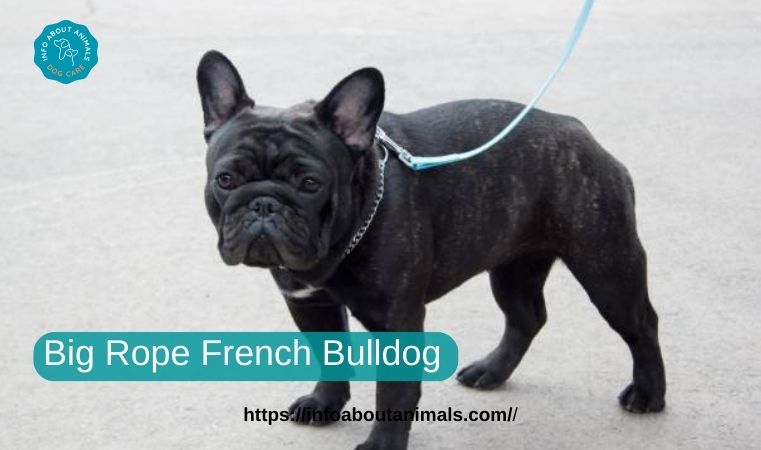
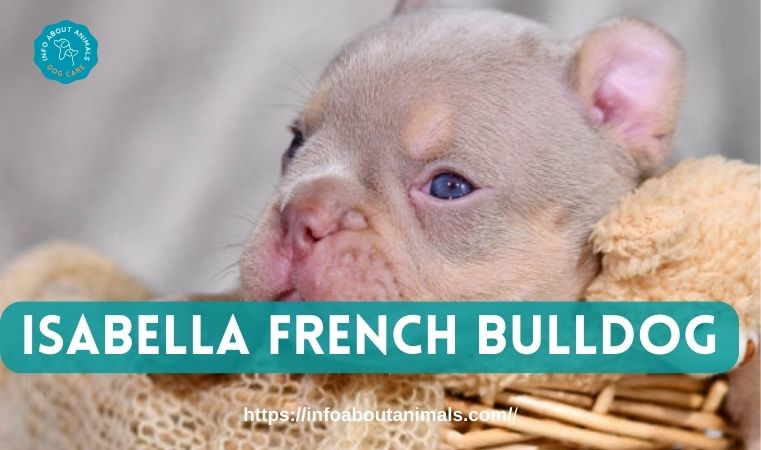
- A longer muzzle. Dogs with normal or long noses have more surface inside the nasal passages for cooling air, and they can pant easily. Flat-faced breeds like Pugs, French Bulldogs and English Bulldogs have crowded airways and struggle. Research from the Royal Veterinary College found flat-faced breeds were about twice as likely to suffer heat-related illness as dogs with medium-length muzzles.
- A lean, light build. Fat acts like insulation. Many dogs from hot regions are slim with long legs and a large surface area for their weight, helping them shed heat. Big ears with lots of blood vessels help too.
- A short, single coat. This lets heat escape more easily than a thick double coat built for snow. Huskies, Malamutes and Saint Bernards were designed for cold climates and often struggle in heat. Shaving them doesn’t fix this and can increase sunburn.
- Lighter colour. Dark coats absorb more sunlight, so black dogs heat up faster in direct sun.
- Small to medium size. Giant breeds have less surface area for their weight and generate a lot of body heat.
One surprise: Greyhounds look perfectly built for heat, yet the same RVC research found them at higher risk of heat-related illness – probably because they run so hard. A heat-tolerant body still needs sensible exercise.
12 Best Dog Breeds for Hot Climates
1. Saluki
Size: Medium–large, 18–27 kg | Lifespan: 12–14 years
One of the oldest breeds in the world, the Saluki was developed by desert peoples of the Middle East to hunt gazelle and hare. Its lean body, long legs and light, silky coat are made for heat. Salukis are gentle and reserved, but they have a strong chase instinct, so a secure garden is essential.
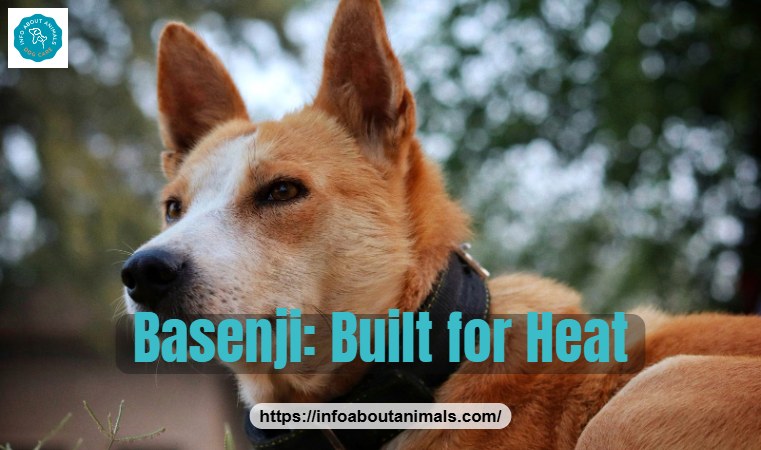
2. Basenji
Size: Small–medium, 9–11 kg | Lifespan: 13–14 years
From Central Africa, the “barkless dog” has a short, fine coat, a lean build and large upright ears that help release heat. Basenjis are clean, cat-like and independent – clever, but not always obedient.
3. Pharaoh Hound
Size: Medium, 20–25 kg | Lifespan: 12–14 years
Developed in Malta, this elegant, short-coated hound copes well with Mediterranean heat. It’s affectionate, playful and famous for “blushing” – its nose and ears turn rosy when excited.
4. Ibizan Hound
Size: Medium–large, 20–25 kg | Lifespan: 11–14 years
Another Mediterranean sighthound with a light frame and huge ears. Athletic and good-natured, it needs room to run and a high fence – Ibizans can jump remarkably high.
5. Chihuahua
Size: Toy, 1.5–3 kg | Lifespan: 14–16 years
Originating in hot Mexico, the Chihuahua’s tiny size and short coat (in the smooth variety) suit warm weather. Choose a dog with a moderate muzzle, as very “apple-headed” individuals can have breathing issues.
6. Australian Cattle Dog
Size: Medium, 15–22 kg | Lifespan: 12–16 years
Bred to work cattle in the Australian outback, this tough herding dog tolerates heat well. It has a double coat, but a short, dense one. Very high energy – it needs a job and early-morning exercise.
7. Rhodesian Ridgeback
Size: Large, 32–39 kg | Lifespan: 10–12 years
Developed in southern Africa to track lions, the Ridgeback has a short, sleek coat and copes with heat better than most large breeds. It’s loyal, strong-willed and best for experienced owners.
8. Xoloitzcuintli (Mexican Hairless)
Size: Toy to standard, 4–25 kg | Lifespan: 13–18 years
An ancient Mexican breed that comes in hairless and coated varieties. Hairless Xolos lose heat easily but need sunscreen and protection from sunburn. Calm and loyal.
9. Canaan Dog
Size: Medium, 16–25 kg | Lifespan: 12–15 years
The national dog of Israel, the Canaan Dog evolved in the deserts of the Middle East. Alert, intelligent and hardy, it makes a good watchdog and copes well with dry heat.
10. Italian Greyhound
Size: Small, 3–6 kg | Lifespan: 14–15 years
A miniature sighthound with a very thin coat and slim body that suits warm climates – it actually feels the cold more than the heat. Gentle and affectionate, but its fine bones and sensitive skin need care.
11. Whippet
Size: Medium, 11–18 kg | Lifespan: 12–15 years
A lean, short-coated sprinter with a calm, couch-loving nature at home. Like Greyhounds, Whippets can overheat if they sprint in the heat, so exercise early.
12. Jack Russell Terrier
Size: Small, 6–8 kg | Lifespan: 13–16 years
Small, wiry and full of energy, the Jack Russell handles warm weather well thanks to its size and short coat. It needs plenty of mental and physical exercise.
How to Choose the Right Hot-Climate Breed
Heat tolerance is only one part of the decision. Many of the best dog breeds for hot climates are sighthounds or working breeds with strong instincts: they may chase cats, need secure fencing or demand lots of exercise. Think about your space, how much time you have for walks (which in summer means very early mornings), whether you have children or other pets, and how much grooming you want to do. Living in a city apartment in the Gulf is very different from a farm in Australia.
Mixed-breed dogs from local shelters are also worth considering. Many street and village dogs in hot countries are naturally lean, short-coated and well adapted to the local climate. If you live in the Gulf, see our dedicated guide to the best dog breeds for the UAE and Qatar heat.
Breeds That Struggle in Hot Climates
| Breed type | Examples | Why they struggle |
|---|---|---|
| Flat-faced (brachycephalic) | French Bulldog, Pug, English Bulldog, Shih Tzu | Narrow airways make panting inefficient |
| Cold-climate double coats | Siberian Husky, Alaskan Malamute, Samoyed, Chow Chow | Thick insulating coats trap heat |
| Giant breeds | Saint Bernard, Newfoundland, Bullmastiff, Great Dane | Large body mass, small surface area |
| Heavy-coated herders | Old English Sheepdog, Bernese Mountain Dog | Dense coats and high body mass |
If you already own one of these breeds in a hot place, they can still live happily – they just need extra care. See our guides on French Bulldog heat stroke signs and French Bulldog breathing problems.
Even Heat-Tolerant Dogs Need Protection

- Walk early in the morning or after sunset in summer
- Use the “5-second rule”: if you can’t hold the back of your hand on the pavement for 5 seconds, it’s too hot for paws
- Provide shade and fresh water at all times
- Never leave a dog in a parked car
- Keep your dog lean and fit
- Use cooling mats, paddling pools and air conditioning on very hot days
- Protect pale or hairless dogs from sunburn with dog-safe sunscreen
- Learn the early signs of overheating: heavy panting, bright red gums, drooling, weakness
Frequently Asked Questions
Breeds that cope well with heat include the Saluki, Basenji, Pharaoh Hound, Ibizan Hound, Chihuahua, Australian Cattle Dog, Rhodesian Ridgeback, Xoloitzcuintli, Canaan Dog, Italian Greyhound, Whippet and Jack Russell Terrier.
Flat-faced breeds such as Pugs and French Bulldogs, heavy-coated cold-weather breeds like Huskies and Malamutes, and giant breeds such as Saint Bernards struggle most in hot climates.
A Husky can survive in a hot country with air conditioning, shade and very careful exercise, but it is not well suited to heat and is at higher risk of overheating.
No. Shaving a double-coated dog does not make it heat-tolerant and can increase sunburn and heat absorption. Brush out loose undercoat instead.
Many dogs start to struggle above about 25 to 27°C, especially with humidity. Above 30°C, keep walks very short and only in the early morning or late evening, and check pavement temperature.
Small and medium dogs generally cope better than giant breeds, as long as they have a normal-length muzzle and a short coat. Small flat-faced dogs still struggle.
References
- Royal Veterinary College – Breeds at increased risk of heat-related illness
- American Kennel Club – Saluki
- American Kennel Club – Basenji
- VCA Animal Hospitals – Heat stroke in dogs
- Dogster – Hot weather dog breeds
Written and medically reviewed by Dr. Muhammad Usman, DVM, RVMP, a licensed veterinarian in Pakistan and Qatar. This article is for general education and is not a substitute for an exam by your own vet.