Yes, Tollers shed – more than many people expect from a medium-sized dog. A Nova Scotia Duck Tolling Retriever drops a steady amount of hair all year, then has one or two big sheds a year when the undercoat comes out in handfuls. During those weeks you can brush what looks like a small dog’s worth of fluff off a Toller and still find tufts drifting across the floor the next morning.
So, do Tollers shed? Absolutely. The upside: with the right tools and 10–15 minutes a few times a week, Toller shedding is very manageable. Here’s how it works and what to do about it.

Why Do Tollers Shed So Much?
It comes down to the coat. Tollers were bred to work in the cold, wet conditions of Nova Scotia, swimming out again and again to retrieve ducks. That job needed a double coat. The outer coat is medium length, straight or slightly wavy, and water-repellent, so water runs straight off. Underneath is a soft, dense undercoat that traps warm air against the skin, a bit like a down jacket. That undercoat is the part that sheds most.
| Breed | Coat | Shedding level |
|---|---|---|
| Nova Scotia Duck Tolling Retriever | Medium double coat | Moderate year-round, heavy seasonal |
| Golden Retriever | Long double coat | Heavy |
| Labrador Retriever | Short double coat | Heavy |
| Portuguese Water Dog | Curly single coat | Very low |
| Border Collie | Medium double coat | Moderate to heavy |
When Do Tollers Shed the Most?
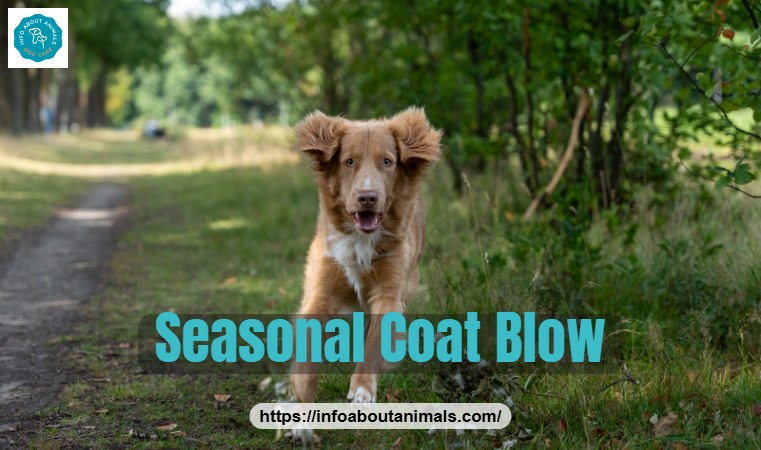
Most Tollers “blow” their coat in spring, losing the thick winter undercoat, and many have a second, often lighter shed in autumn. Hormones play a part too: unspayed females often shed heavily after a season or after having puppies. A coat blow usually lasts two to four weeks. In between, shedding is lighter but constant, and you’ll spot red hairs on dark clothes, sofas and car seats.
Where you live matters as well. Seasonal shedding is driven mainly by changes in daylight and temperature. Tollers living mostly indoors with air conditioning, or in hot countries like Qatar and the UAE, often lose the clear seasonal pattern and shed lightly all year instead.
When Toller Shedding Isn’t Normal
Some shedding simply means a healthy coat is renewing itself. But several things can push it beyond normal:
- Poor diet – coat and skin need high-quality protein and omega fatty acids.
- Stress, illness or surgery – can trigger a sudden heavy shed a few weeks later.
- Allergies and skin infections – cause itching, licking and patchy hair loss.
- Hypothyroidism – an underactive thyroid leaves the coat thin, dry and slow to regrow.
- Autoimmune disease – Tollers are prone to some immune-mediated conditions, so patchy hair loss, crusting or loss of pigment, especially on the face and nose, should be checked by a vet promptly.
| Normal shedding | See a vet |
|---|---|
| Even hair loss over the body | Bald patches or thinning in one area |
| Heavier for 2–4 weeks in spring/autumn | Heavy shedding that doesn’t stop |
| Healthy, calm skin | Red, scaly, crusty or smelly skin |
| Dog not itchy | Constant scratching, licking or chewing |
| Normal energy | Weight gain, tiredness, cold intolerance |
Do Tollers Shed Less With Grooming? How to Manage It
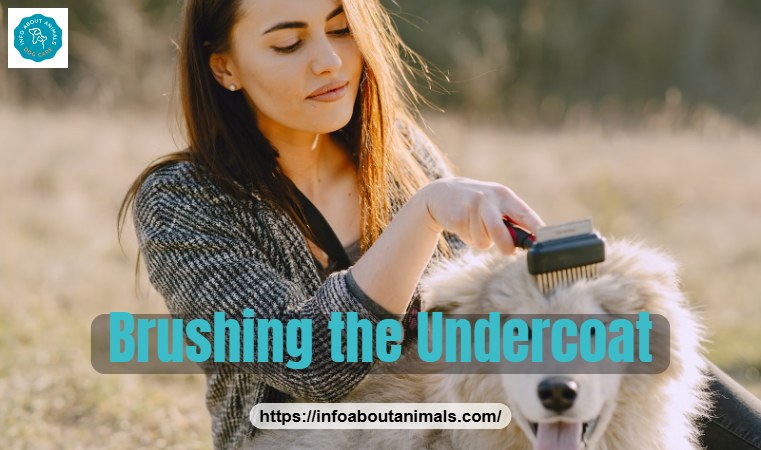
Brushing routine
- Undercoat rake: work through the coat in sections to pull out loose undercoat. Daily during a coat blow, twice weekly otherwise.
- Slicker brush: go over the coat to lift remaining loose hair, paying attention to behind the ears, the “trousers” on the back legs and the tail.
- Metal comb: check for tangles, especially behind the ears and in the feathering.
- Finish with a bristle brush for shine.
Bathing and drying
A warm bath during a coat blow loosens dead undercoat, and a high-velocity dryer (on a cool setting) blasts out huge amounts of hair – it’s what groomers use. Otherwise, bathe only every 6–8 weeks or after a muddy swim; too-frequent bathing strips the coat’s natural water-repellent oils.
What not to do
Don’t shave a Toller to stop shedding. The double coat protects against sun, insulates against heat as well as cold, and may grow back patchy or with a changed texture. Light tidying of the feet, ears and tail is fine.
Tools Every Toller Owner Needs
- Undercoat rake
- Slicker brush
- Wide- and narrow-toothed metal comb
- Bristle brush
- High-velocity dog dryer (optional, but brilliant in shedding season)
- Lint rollers and a vacuum with a pet-hair tool
Feeding for a Healthy Toller Coat
A shiny coat that sheds normally starts in the food bowl. Tollers are active working dogs and need a complete diet with good-quality animal protein, since hair is made almost entirely of protein. Omega-3 fatty acids (from fish oil) and omega-6 fatty acids support the skin barrier and help reduce excessive shedding and dandruff. If your Toller’s coat looks dull or the skin is flaky despite a good diet, ask your vet whether a fish oil supplement makes sense and at what dose.
Keep your Toller at a lean, athletic weight too. Overweight dogs often have poorer skin health, and their owners find it harder to groom the areas where mats form.
Swimming and Coat Care
Most Tollers adore water, and their coat is built for it. After a swim in the sea or a chlorinated pool, rinse your dog with fresh water to remove salt or chlorine, which can dry the skin. Towel off, then dry thoroughly – especially the thick undercoat around the neck, chest and hindquarters, where damp hair can cause “hot spots” (painful, moist skin infections). Check and dry the ears too, as retrievers that swim often are prone to ear infections.
Toller Shedding Through Life
| Life stage | What to expect |
|---|---|
| Puppy (0–12 months) | Soft puppy coat, light shedding; ideal time to get used to brushing |
| Young adult (1–2 years) | Adult double coat comes in; first proper coat blows |
| Adult | Predictable seasonal sheds with light year-round shedding |
| Senior | Coat may thin or become drier; sudden changes worth a vet check |
Keeping Your Home Hair-Free
- Brush outside during coat blows so the fluff blows away, not into your house
- Use washable covers on sofas, beds and car seats
- Vacuum two or three times a week during shedding season
- Keep lint rollers by the door and in the car
- Wash the dog bed weekly – a removable cover makes it easy
- Consider a HEPA air purifier in the rooms your Toller uses most
Red Toller hair stands out on dark fabrics, so lighter or reddish throws hide it better between cleans.
Are Tollers Hypoallergenic?
No. With their dense shedding undercoat, Tollers are not a good choice for people with dog allergies. Read the full explanation in are Tollers hypoallergenic?
Should You Use a Professional Groomer?
Most Toller owners groom at home, and the breed doesn’t need clipping. Still, a professional “deshed” appointment during a coat blow can be a lifesaver. Groomers use warm baths, conditioners and powerful dryers to remove weeks’ worth of loose undercoat in one session. Ask for a natural tidy only – neat feet, trimmed hair around the ears and a tidy tail – and make it clear you don’t want the coat clipped or shaved.
Between visits, a few minutes of brushing several times a week keeps the coat healthy, lets you check the skin for lumps, ticks and grass seeds, and builds a great bond with your dog. Many Tollers come to love their brushing sessions.
Frequently Asked Questions
Tollers are moderate shedders most of the year and heavy shedders for two to four weeks once or twice a year, when they blow their undercoat.
Most Tollers shed heavily in spring and often again in autumn. Unspayed females may also shed heavily after a heat cycle or after having puppies.
Brush two to three times a week normally and daily during a coat blow, using an undercoat rake and a slicker brush.
No. Shaving a double-coated dog does not stop shedding, removes protection from sun and heat, and can cause patchy or changed regrowth.
Sudden heavy shedding is often a seasonal coat blow, but it can also follow stress, illness, surgery or a heat cycle, or be caused by allergies, skin infection, hypothyroidism or autoimmune disease. See your vet if the skin looks abnormal.
Yes. Puppies shed lightly and lose their soft puppy coat as the adult double coat grows in during the first year or so.
References
- American Kennel Club – Nova Scotia Duck Tolling Retriever
- American Kennel Club – Dog shedding: what to expect and how to manage it
- WebMD Pets – What to know about Tollers
- Dogs Victoria – Nova Scotia Duck Tolling Retriever
- DogWellNet – Nova Scotia Duck Tolling Retriever health information
Written and medically reviewed by Dr. Muhammad Usman, DVM, RVMP, a licensed veterinarian in Pakistan and Qatar. This article is for general education and is not a substitute for an exam by your own vet.