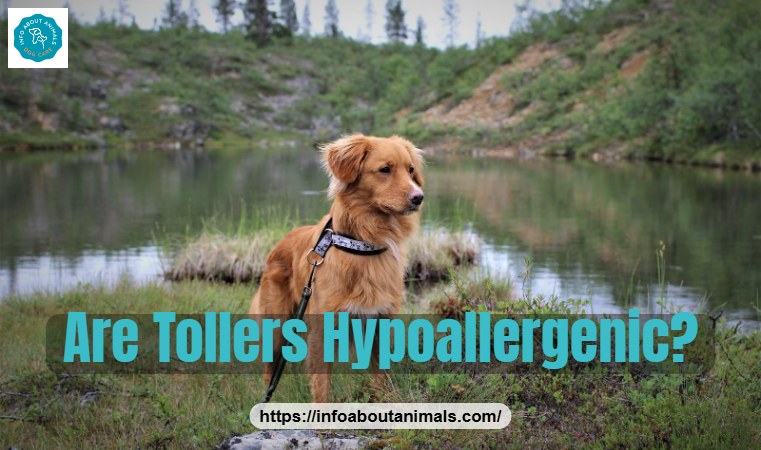
Are Tollers hypoallergenic? No. Nova Scotia Duck Tolling Retrievers are not hypoallergenic. Tollers have a thick, water-repellent double coat, shed moderately all year and heavily at least twice a year, and produce the same allergy-causing proteins as every other dog. If someone in your home has a dog allergy, a Toller isn’t a safe choice just because it’s smaller than a Golden Retriever.
That said, “not hypoallergenic” doesn’t automatically mean “impossible”. Below, I’ll explain what actually causes dog allergies, why Tollers score poorly for allergy sufferers, and the practical steps that can help if your heart is set on the breed.
What Actually Causes Dog Allergies?
Dog allergies aren’t caused by hair itself. They’re caused by proteins – the best known is called Can f 1 – found in a dog’s skin flakes (dander), saliva and urine. Hair matters because it carries those flakes and dried saliva around the house and holds onto them. A heavy-shedding dog spreads more allergen onto floors, sofas and clothes, but even a dog that sheds very little still makes the proteins.
Are Tollers Hypoallergenic, or Is Any Dog?
No. When researchers measured allergen levels on dogs’ coats and in homes, they found no consistent difference between so-called hypoallergenic breeds and other dogs. Some individual dogs produce less allergen than others, and some low-shedding breeds may suit mildly allergic people a little better, but no breed is allergen-free. The American Kennel Club itself describes “hypoallergenic” as a marketing idea rather than a guarantee.
Why Tollers Are a Poor Match for Allergy Sufferers
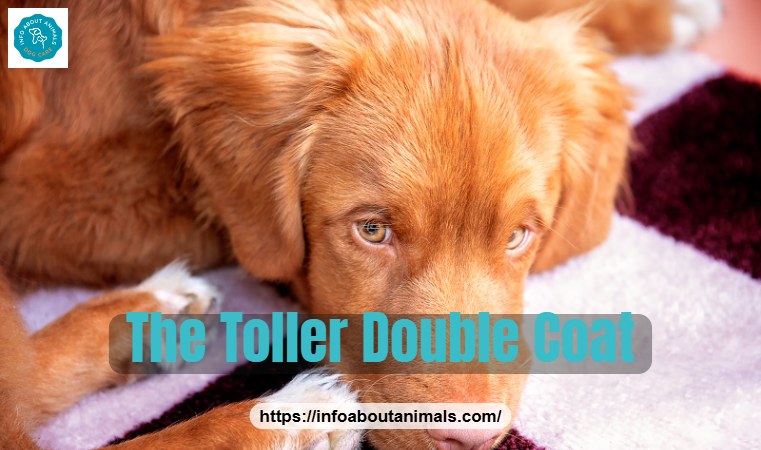
The Toller’s coat was designed for retrieving ducks from icy water in Nova Scotia. The medium-length outer coat is water-resistant, and underneath sits a soft, dense undercoat that keeps the dog warm and dry. That undercoat comes out in clumps during seasonal shedding, usually in spring and autumn, and in between there’s a steady drop of loose hair. For the full picture, read do Tollers shed?.
Tollers also love water and mud. A wet dog releases more allergen-carrying particles into the air, and that “wet dog smell” is a sign of it. Add an active, affectionate dog that likes to lick and lean on its people, and exposure adds up quickly.
| Factor | Toller | Effect on allergy sufferers |
|---|---|---|
| Coat type | Double coat with dense undercoat | More hair and dander spread |
| Shedding | Moderate all year, heavy twice a year | High exposure in shedding season |
| Water-loving | Very | Wet coat releases more allergen |
| Drooling | Low | A small plus |
| Size | Medium (17–23 kg) | Less total coat than a Golden Retriever, but still significant |
Meet the Toller: Breed Basics
The Nova Scotia Duck Tolling Retriever is the smallest of the retrievers, standing about 17–21 inches (43–53 cm) and weighing roughly 17–23 kg (37–51 lb). It was developed in Nova Scotia, Canada, in the 1800s to “toll” ducks: the dog plays and leaps along the shoreline, which draws curious ducks within range, then retrieves them from cold water. The coat is red or orange, often with white markings on the chest, feet, tail tip or face.
Tollers are clever, energetic and affectionate, and they need a lot of exercise. Many are famous for the “Toller scream” – a high-pitched noise they make when excited. They live around 12–14 years.
Common Myths About Tollers and Allergies
| Myth | Reality |
|---|---|
| “Smaller dogs cause fewer allergies.” | Size helps a little, but a 20 kg double-coated dog still spreads plenty of allergen. |
| “Puppies don’t trigger allergies.” | Puppies produce allergens too, and the adult coat sheds far more. Always test with adults. |
| “Short grooming sessions remove the allergen.” | Brushing removes loose hair, but dander and saliva proteins remain on the dog and in the home. |
| “Red-coated dogs are less allergenic.” | Coat colour has no proven effect on allergen levels. |
| “Living with a dog builds tolerance.” | Some people do become less sensitive over time, but many get worse. It is not something to count on. |
Signs You’re Reacting to a Dog
Dog allergy symptoms can appear within minutes or build over hours. Watch for:
- Sneezing, runny or blocked nose
- Itchy, red or watery eyes
- Coughing, wheezing or tight chest
- Itchy skin, hives or a rash where a dog licked you
- Worsening asthma symptoms
If you have asthma, take dog allergy seriously and speak to your doctor before bringing any dog home. Allergy symptoms can take a few weeks of constant exposure to show their full strength, so a single afternoon visit isn’t a reliable test.
A Toller Grooming Routine That Cuts Down Allergens
| Task | How often | Why it helps |
|---|---|---|
| Brush with undercoat rake and slicker | 2–3× a week, daily in shedding season | Removes loose undercoat before it spreads |
| Bath with gentle dog shampoo | Every 2–4 weeks | Temporarily lowers allergen on the coat |
| Wipe paws and coat after walks | Daily | Reduces pollen and dirt brought indoors |
| Wash dog bed and throws | Weekly | Removes built-up dander |
| Vacuum with HEPA filter | 2–3× a week | Captures fine allergen particles |
Better Breeds for Allergy Sufferers
If allergies are a serious concern, consider breeds with continuously growing, low-shedding coats. They’re still not allergen-free, but some people react less to them:
- Poodle (Toy, Miniature or Standard)
- Portuguese Water Dog – a water-loving retriever-type alternative
- Bichon Frise
- Miniature Schnauzer
- Lagotto Romagnolo
- Irish Water Spaniel
Always spend time with the specific breed – ideally the specific dog – before committing. If you came here asking “are Tollers hypoallergenic?” because of a family allergy, one of these breeds may be the kinder choice for everyone.
How to Live With a Toller if You Have Mild Allergies

- Test first. Spend real time with adult Tollers – several visits, indoors, not just a quick cuddle with a puppy.
- Talk to an allergist. Allergy testing, medication or immunotherapy may make living with a dog much easier.
- Keep the dog out of bedrooms. A dog-free bedroom gives your immune system a nightly break.
- Use a HEPA air purifier and vacuum often with a HEPA-filter vacuum.
- Wash dog beds, throws and soft toys weekly in hot water.
- Brush outdoors, ideally by a non-allergic family member, to remove loose hair before it spreads.
- Bathe regularly – every 2–4 weeks with a gentle shampoo can lower allergen levels on the coat for a few days, but it doesn’t last.
- Choose hard floors over carpets where possible, and wash your hands after cuddles.
A Vet’s Note: Allergies Go Both Ways
Interestingly, Tollers can suffer from allergies themselves. Itchy skin, licking paws and ear infections can be signs of environmental or food allergies in the dog. A healthy skin and coat sheds more normally and produces less flaky dander, so good nutrition with omega-3 fatty acids and prompt treatment of skin problems benefit everyone in the house.
So, Are Tollers Hypoallergenic? The Bottom Line
Are Tollers hypoallergenic? Honestly, no – and they’re one of the less allergy-friendly medium-sized breeds because of their dense, shedding undercoat and love of water. If someone in your family has moderate to severe dog allergies or asthma, choose a different breed. If allergies are mild and you’ve tested your reaction around adult Tollers over several visits, careful management can make it work for some households.
It’s also worth being wary of breeders or sellers who claim their Tollers – or Toller crosses – are hypoallergenic. No reputable breeder will promise that. Ask to spend time with the parents, and be prepared for the possibility that it won’t work out, which is far kinder than rehoming a dog later.
Frequently Asked Questions
No. Tollers have a thick double coat that sheds year-round and heavily twice a year, and they produce the same allergy-causing proteins as other dogs.
Tollers are moderate shedders most of the year, with heavy seasonal shedding in spring and autumn when the undercoat comes out.
People with mild allergies sometimes manage with careful steps such as a dog-free bedroom, HEPA filters, regular cleaning and allergy treatment. Spend time with adult Tollers and speak to an allergist before committing.
No retriever is hypoallergenic, but the Portuguese Water Dog, Lagotto Romagnolo and Irish Water Spaniel have low-shedding curly coats that some allergy sufferers tolerate better.
No breed is completely hypoallergenic. Studies have found no consistent difference in allergen levels between so-called hypoallergenic breeds and other dogs.
Bathing can reduce allergen levels on the coat temporarily, for a few days. It helps, but it is not a long-term solution on its own.
References
- American Kennel Club – Nova Scotia Duck Tolling Retriever
- American Kennel Club – Hypoallergenic dogs: myths debunked
- Medical News Today – Hypoallergenic dogs no less allergenic, study finds
- WebMD Pets – What to know about Nova Scotia Duck Tolling Retrievers
- Purina – Nova Scotia Duck Tolling Retriever
Written and medically reviewed by Dr. Muhammad Usman, DVM, RVMP, a licensed veterinarian in Pakistan and Qatar. This article is for general education and is not a substitute for an exam by your own vet.