French Bulldogs are among the breeds vets see most often for heat stroke, and the frustrating part is that it’s almost always avoidable. A Frenchie can go from slightly winded to collapsed within minutes, sometimes on a walk that wouldn’t bother a Labrador at all. Knowing the French Bulldog heat stroke signs and acting in the first few minutes is often what decides whether a dog recovers.
Quick checklist: heavy panting that won’t settle, loud or raspy breathing, a wide “spoon-shaped” tongue, thick drool, bright red gums, wobbliness or collapse. If you see these, start cooling with cool (not ice-cold) water and call a vet now.
What Is Heat Stroke in Dogs?
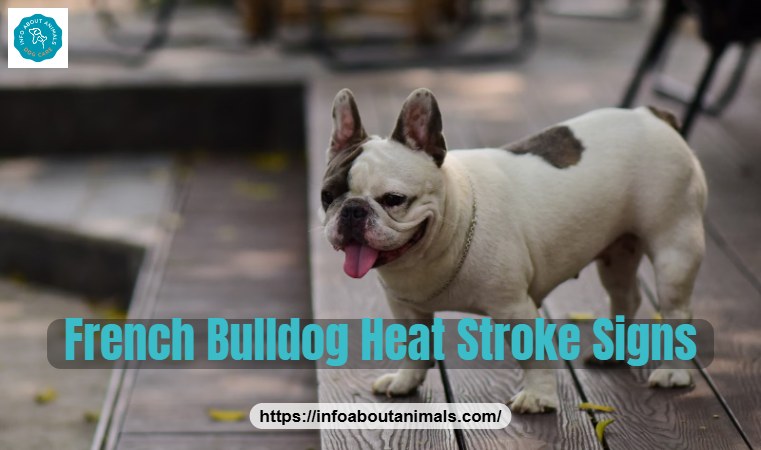
Heat stroke happens when the body gets so hot that the cells start to break down. Proteins begin to fall apart, the gut lining starts to leak, the blood can lose its ability to clot, and the brain, kidneys and liver can all be damaged. Normal dog temperature is roughly 38–39.2°C (100.5–102.5°F). Once it reaches around 40–41°C (104–106°F), the body can’t keep up anymore.
Why French Bulldogs Get Heat Stroke So Easily
French Bulldogs carry a higher risk than most breeds because of their anatomy. Researchers at the Royal Veterinary College found that flat-faced breeds were about twice as likely to suffer heat-related illness as breeds with normal-length muzzles, and French Bulldogs ranked high on that list.
It comes down to how dogs cool off. Dogs hardly sweat. Most of their heat is lost through panting: air moves over the moist lining of the nose, mouth and throat and carries heat away. A long-nosed dog has lots of room in its nasal passages for this. A Frenchie has a short, crowded nose, tight nostrils and often a long soft palate, so there’s much less surface for cooling and it takes far more effort just to move air. (Read more in our guide to French Bulldog breathing problems.)
That extra effort sets up a self-reinforcing cycle. A hot Frenchie breathes harder. Breathing harder makes the tissues in the throat swell. Swollen tissue narrows the airway, so breathing gets even harder, and all that work makes more heat. That’s why a Frenchie can look fine one minute and be in serious trouble the next.
Early French Bulldog Heat Stroke Signs
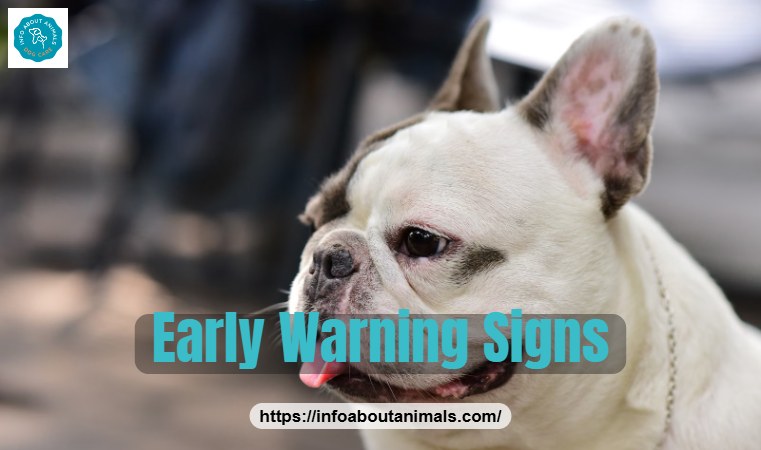
The early French Bulldog heat stroke signs are easy to miss because they look like a dog that’s just a bit warm. Watch for:
- Heavy panting that keeps going even when your dog rests
- Raspy, noisy or “honking” breathing
- A wide-open mouth with the tongue stretched out and curled at the end
- Thick, ropey drool
- A bright red tongue and gums
- Constantly searching for shade, or lying down and refusing to walk
- Restlessness – your dog can’t settle or get comfortable
Severe Heat Stroke Signs (Emergency)
As heat stroke progresses, French Bulldog heat stroke signs become dangerous. Your dog may become unsteady, stumble or seem confused. Gums can turn dark red, purple, blue or grey. Some dogs vomit or have diarrhoea, which may contain blood. Others collapse, have seizures or stop responding when you call them. At this stage, every minute counts.
| Stage | What you may see | What to do |
|---|---|---|
| Heat stress (early) | Heavy panting, red tongue, seeking shade | Stop activity, move to shade/AC, offer water |
| Heat exhaustion | Noisy breathing, thick drool, weakness, won’t walk | Start active cooling, call your vet |
| Heat stroke (emergency) | Wobbling, vomiting/diarrhoea, blue or grey gums, collapse, seizures | Cool on the way, go to the nearest vet immediately |
What to Do If Your French Bulldog Has Heat Stroke

If you think your Frenchie has heat stroke, start cooling straight away and call your nearest vet while you do it.
- Move your dog into shade or an air-conditioned room or car.
- Pour cool tap water over the whole body, especially the belly, armpits and groin.
- Add moving air. Put a fan on your dog or open the car windows while driving.
- Don’t use ice or ice-cold water. It shrinks the blood vessels in the skin and traps heat inside the body.
- Don’t cover your dog with a wet towel. It holds the heat in.
- Offer small sips of water if your dog is alert. Never force it to drink.
- Go to the vet, even if your dog seems to be getting better.
Heat stroke can damage internal organs in ways that take hours or days to show, such as kidney injury or blood-clotting problems. Vets usually give IV fluids and oxygen, run blood tests, and many dogs need several days of hospital care.
How to Prevent Heat Stroke in French Bulldogs
- Walk early in the morning or after sunset. In Gulf summers, that may mean before 6 am.
- Use the “5-second test”: if you can’t keep the back of your hand on the pavement for 5 seconds, it’s too hot for paws and too hot for a Frenchie.
- Keep your dog lean. Extra weight makes breathing and cooling harder.
- Use a harness instead of a collar to avoid pressure on the windpipe.
- Never leave a Frenchie in a parked car, even with the windows down.
- Give constant access to shade, water and air conditioning.
- Skip ball games and running on warm days. Short sniffy walks are enough.
- Ask your vet whether your dog would benefit from BOAS surgery if it struggles to breathe even in cool weather.
Water can help a hot Frenchie, but swimming is risky for this breed – see can French Bulldogs swim? before you head to the pool. A good diet that keeps your dog at a healthy weight also matters; here’s our pick of the best food for French Bulldogs.
Which French Bulldogs Are Most at Risk?
Every Frenchie can overheat, but some are in more danger than others:
- Dogs with noticeable BOAS signs – loud snoring, snorting at rest, struggling on short walks or “reverse sneezing” often.
- Overweight dogs – fat around the chest and throat narrows the airway and acts like insulation.
- Puppies and seniors – both are less able to control their body temperature.
- Dark-coated dogs – black and blue Frenchies absorb more heat in direct sun.
- Dogs that just moved to a hot country – it takes weeks for a dog to adjust to a new climate.
- Excited or anxious dogs – a stressful car ride or vet visit can be enough to trigger overheating in summer.
Heat Stroke in Hot Climates Like Qatar and the UAE
In the Gulf, summer temperatures regularly pass 45°C and humidity near the coast can be very high. For a French Bulldog, that combination is extremely dangerous because panting works poorly in humid air. In these countries, most heat stroke cases happen in three places: on walks that start too late in the morning, in parked cars, and on balconies or in gardens where shade moves during the day.
If you live in Doha, Dubai or anywhere with a similar climate, treat the hottest months as indoor season. Use short toilet breaks only, play brain games inside, and save proper walks for the cooler months. Keep the air conditioning running when your dog is home alone, and have a plan in case of a power cut.
Recovery After Heat Stroke
Once your dog is home from the vet, keep it quiet and cool for at least a week. Follow your vet’s advice on food and water, watch the colour of the gums, and look out for dark urine, bruising, black stools or tiredness, which can be signs of delayed organ damage. A dog that has had heat stroke once is more likely to overheat again, so take extra care for the rest of its life.
Frequently Asked Questions
The first signs are heavy panting that does not settle with rest, loud or raspy breathing, a wide curled tongue, thick drool, bright red gums and a dog that keeps looking for shade or refuses to walk.
Many Frenchies start to struggle once the air temperature goes above about 25°C (77°F), especially with humidity or sun. Above 30°C, keep walks very short and limited to early morning or late evening.
It can happen within minutes during exercise in warm weather or in a hot car. Because their airway is narrow, Frenchies can go from mildly hot to collapsed very quickly.
Many do recover if cooling starts quickly and they get veterinary treatment fast. Severe cases can cause organ damage, so always see a vet even if your dog seems better.
No. Ice and ice-cold water shrink the blood vessels in the skin and slow down cooling. Use cool tap water and a fan, then go to a vet.
Walk at dawn or after sunset, keep your dog indoors with air conditioning during the day, provide shade and fresh water, use cooling mats, avoid hard exercise and keep your dog at a healthy weight.
References
- Royal Veterinary College (VetCompass) – Flat-faced dogs at increased risk of heat stroke
- VCA Animal Hospitals – Heat stroke in dogs
- Animal Medical Center (New York) – Heatstroke in dogs
- Veterinary Practice – Heat-related illness and brachycephalic dogs
- American Kennel Club – French Bulldog
Written and medically reviewed by Dr. Muhammad Usman, DVM, RVMP, a licensed veterinarian in Pakistan and Qatar. This article is for general education and is not a substitute for an exam by your own vet.